PureLung bottle of 60 respiratory support capsules on a teal card

Per serving, off the panel

  • Whole formula, one blend600 mg
  • Ingredients sharing that total11
  • Capsules per serving2
Ingredient-by-Ingredient Breakdown · Updated 2026-09-03

PureLung Ingredients, Official Website and Lung Support Facts

PureLung is a 60-capsule respiratory support supplement whose entire formula is one proprietary blend of eleven named ingredients, totaling 600 mg per two-capsule serving. This page walks that list one ingredient at a time and says plainly where the individual amounts are not disclosed.

  • Eleven named ingredients inside one undisclosed proprietary blend
  • Green tea, bilberry, ginkgo, bacopa, cinnamon, lutein, zeaxanthin
  • 600 mg total per serving — an average of 55 mg per ingredient
  • Two capsules after a meal, per the manufacturer's own directions
Payment methods shown on the vendor listing: Visa, PayPal, Mastercard, Discover and American Express Checkout happens on the seller's own site

PureLung at a glance

A direct, answer-first summary of the label, the directions and the seller's package terms, before any of the sales language. Everything below is read off this page.

What it is
PureLung is a 60-capsule respiratory support supplement whose entire formula is one proprietary blend of eleven named ingredients, totaling 600 mg per two-capsule serving.
Per serving
One 600 mg proprietary blend shared across eleven ingredients, delivered in a two-capsule serving. The individual amounts inside that 600 mg are not published.
Directions
Two capsules daily, after a meal, taken consistently — 60 capsules is 30 servings, so one bottle is a month.
Form
Capsules only. PureLung is not sold as a gummy, a powder or a liquid drop.
Price seen
US$29.95 for a two-bottle pack on the marketplace listing when we checked it on 9 August 2026 — a marketplace figure that moves.
Good Manufacturing Practice certified mark Made in the USA mark GMO-free mark 100% natural ingredients mark Money-back satisfaction seal as supplied by the manufacturer

Badges as supplied by the manufacturer. The FDA does not approve dietary supplements before sale, so no mark on a bottle means the agency has cleared this formula. "GMP certified" describes how a facility operates. None of these marks is a statement about whether the formula works.

What Is in PureLung? The Short Version

PureLung is a capsule supplement, sixty to a bottle, taken two a day after a meal. Its whole formula is one 600 mg proprietary blend holding eleven ingredients: green tea extract standardised to 50% polyphenols, bilberry leaf powder, gingko biloba powder, bacopa monnieri at 20% bacosides, lutein and zeaxanthin at 5%, AGP choline, cinnamon extract, Himalayan pink salt, and vitamins B6 and B12. Only the blend total is disclosed, which is legal and which is also the whole problem: 600 mg spread across eleven ingredients averages 55 mg each, and several of these are studied on their own at 120 to 300 mg. The antioxidant half of the formula has a coherent rationale. The eye carotenoids and the nootropics do not have a respiratory one.

  • Mechanism: antioxidant support for airway tissue. Nothing here is a bronchodilator, an antihistamine or an anti-infective.
  • Evidence: real for green tea polyphenols as antioxidants; ocular rather than respiratory for lutein and zeaxanthin; cognitive for bacopa; and none at all for this finished blend.
  • Honest catch: individual amounts are not disclosed, "powder" is not "extract", and bilberry leaf is not bilberry fruit.
How This Breakdown Was Made

How This Ingredient Breakdown Was Put Together

Respiratory supplements attract some of the loosest ingredient writing online. Here is the standard this breakdown holds itself to.

Every ingredient transcribed, none paraphrased

Eleven ingredients, four of them standardized extracts, folded into a single 600 mg blend, plus the three inactive ingredients. Each one is named below and matched to what it is genuinely studied for, so you can check us against the label photograph.

The 600 mg divided out, in public

Eleven ingredients sharing 600 mg averages 55 mg apiece. Several of the botanicals here are studied at 120 to 300 mg on their own. That one subtraction tells you more about this formula than any review will.

Extract or powder, stated for each

The label says gingko biloba powder and bilberry leaf powder. Milled leaf is not a standardised extract and bilberry leaf is not bilberry fruit. Those two words change what the research applies to.

Commercial terms, dated and unembellished

We opened the seller's listing and recorded the terms on the date shown. Nothing on this page carries a crossed-out earlier figure, because the seller has never published one, and a comparison against a number nobody has ever seen is worth nothing.

No borrowed ratings, no invented reviews

The listing carries eBay feedback, but feedback rates the seller and the shipping, not what is inside the capsule. So there are no star ratings here and no rating markup in the structured data. The label is the only evidence this page treats as evidence.

Ingredient-level cautions, spelled out

Ginkgo and bleeding risk, concentrated green tea extract and the liver, B6 and its upper limit: three cautions that sit at the level of individual ingredients. A blend that withholds amounts makes every one of them harder to judge, so they belong in the body of the page rather than the small print.

The PureLung Formula

What PureLung Is, Ingredient List First

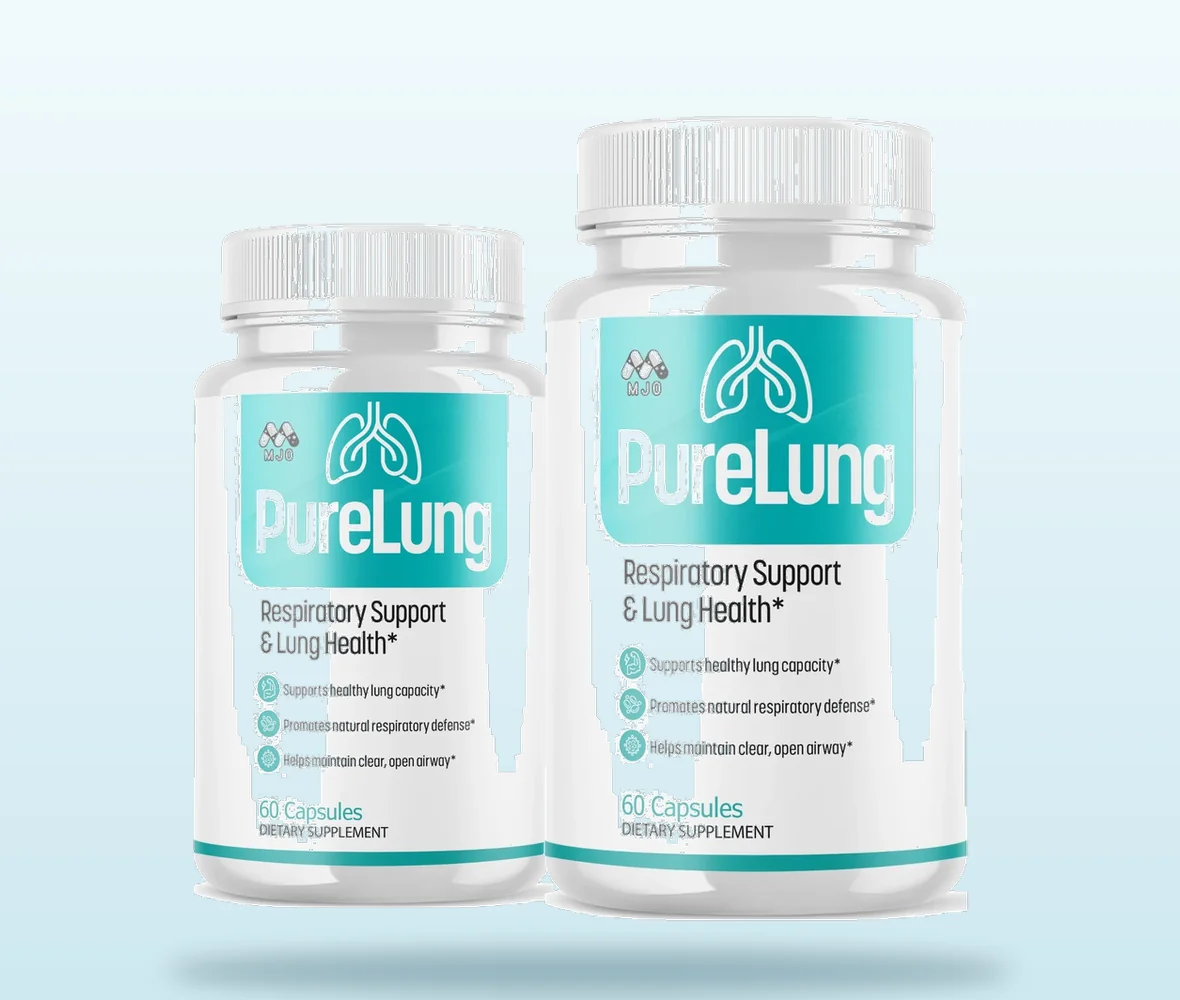
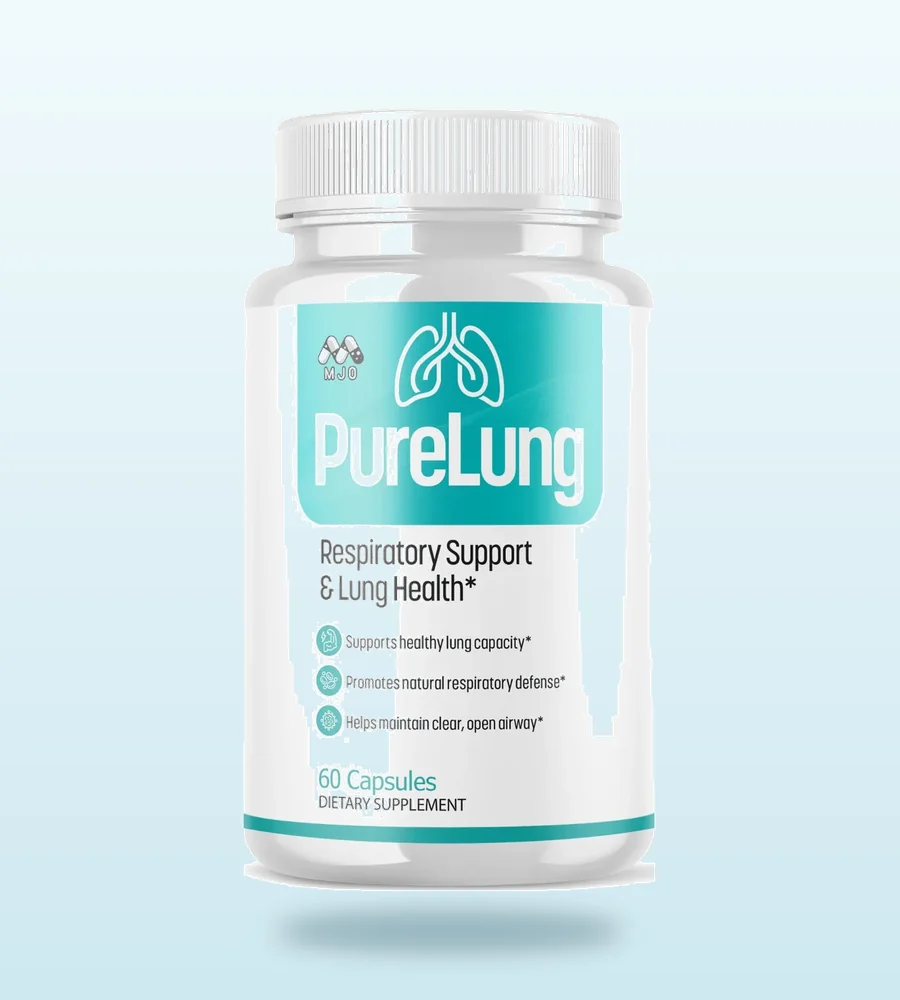
The front label is short. Under a turquoise panel carrying a lung glyph: PureLung — Respiratory Support & Lung Health*, then three ticked lines — Supports healthy lung capacity*, Promotes natural respiratory defense*, Helps maintain clear, open airway* — and at the base, 60 Capsules · Dietary Supplement.

Each of those claims carries the asterisk pointing at the FDA disclaimer, and each is phrased as support or maintenance rather than treatment. That is what a compliant structure and function claim looks like. The label never names a condition, and neither does this page.

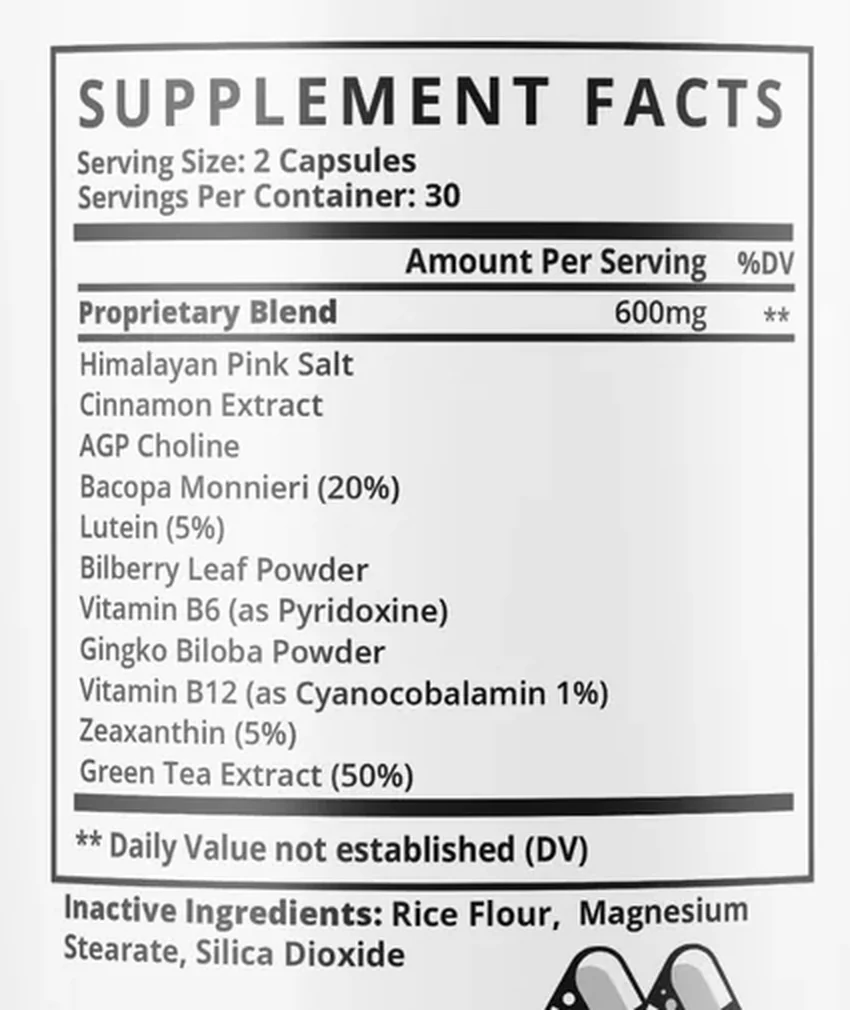
Turn the bottle around and the picture becomes more informative and more frustrating at once. The panel names eleven ingredients, gives a standardization percentage for four of them, and then sets one number, 600 mg, against the whole group.

Get Offer
Two PureLung bottles showing the front label claims and the 60 capsule count
PureLung — 60 capsules, two a day, 30 servings. One bottle is one month.
PureLung Ingredients, Line by Line

The Full PureLung Ingredients List, as Printed

Transcribed from the label photograph, including the manufacturer's own spelling of Gingko. The third column is the honest one.

The PureLung Supplement Facts panel: serving size 2 capsules, 30 servings per container, and a 600 mg proprietary blend listing eleven ingredients
The panel as printed on the bottle. Serving size 2 capsules; servings per container 30.
Ingredient, as printedTypeAmount
Himalayan Pink Saltmineral saltnot disclosed
Cinnamon Extractbotanicalnot disclosed
AGP Cholinenutrientnot disclosed
Bacopa Monnieri (20%)botanical, standardisednot disclosed
Lutein (5%)carotenoidnot disclosed
Bilberry Leaf Powderbotanicalnot disclosed
Vitamin B6 (as Pyridoxine)vitaminnot disclosed
Gingko Biloba Powderbotanicalnot disclosed
Vitamin B12 (as Cyanocobalamin 1%)vitaminnot disclosed
Zeaxanthin (5%)carotenoidnot disclosed
Green Tea Extract (50%)botanical, standardisednot disclosed
Proprietary Blend total600 mg

** Daily Value not established. Inactive ingredients: rice flour, magnesium stearate, silica dioxide.

The one clue a blend still gives you. US labelling rules require the components of a proprietary blend to be listed in descending order of predominance by weight. So Himalayan pink salt — a bulk mineral — is the heaviest item in this blend, and green tea extract, the ingredient with the best antioxidant evidence, is the lightest. That ordering is not a small detail. It is the closest thing to a dose disclosure on the bottle, and it does not flatter the formula.

The eleven ingredients, grouped by what they are studied for

Green tea extract, cinnamon extract, bilberry leaf

The antioxidant group: green tea, cinnamon, bilberry

This is the part of the blend with a coherent story. Oxidative stress in airway tissue is a real research area, and polyphenol-rich botanicals are the obvious thing to reach for. Green tea standardised to 50% polyphenols is the strongest member. Bilberry leaf rather than fruit is the weak one, and cinnamon is here for its polyphenols rather than for anything respiratory.

Lutein (5%), zeaxanthin (5%)

The carotenoids: lutein and zeaxanthin

Lutein and zeaxanthin are strong antioxidants, and almost their entire human evidence base is ocular, at roughly 10 mg and 2 mg a day. Including them is not wrong. But at 5 percent standardization inside a shared 600 mg total, they are not the lung-specific ingredient the product name might have you picturing.

Bacopa monnieri (20%), Gingko biloba powder, AGP choline

The cognition herbs: bacopa and ginkgo

Three ingredients you would expect on a memory supplement. Bacopa's evidence is cognitive; ginkgo's is circulation and cognition, and this is unstandardised powder rather than extract; choline is a genuine nutrient and the precursor to the neurotransmitter that drives the diaphragm, which is the closest thing to a respiratory rationale in the group.

Vitamin B6, vitamin B12, Himalayan pink salt

The vitamins, the choline and the salt

B6 and B12 are essential vitamins with defined intakes, and B6 carries a real upper limit that an undisclosed blend makes impossible to check. Himalayan pink salt is the marketing ingredient: it borrows the association with salt-room therapy, which involves inhaling aerosolized salt, not swallowing it in a capsule.

From Ingredients to Mechanism

What These Ingredients Could Do, and Where That Stops

There is one real idea inside this ingredient list. It is worth stating plainly, and then saying plainly where it runs out.

1

Why airway tissue draws antioxidant interest

Lung tissue meets more oxidant load than almost any other tissue in the body, from oxygen itself and from whatever the air happens to carry. Antioxidant defense in the airway lining is a genuine and actively researched topic, and it is why a polyphenol-heavy ingredient list is not an absurd idea here.

2

What the polyphenols and carotenoids actually do

Green tea catechins, cinnamon polyphenols, bilberry anthocyanins and the two carotenoids all behave as antioxidants in the test tube, and several show measurable systemic antioxidant effects in people. That is the claimed route from this ingredient list to natural respiratory defense.

3

Where the chain breaks

An antioxidant effect measured in blood is not the same as one in airway tissue, and neither is the same as a change in how you breathe. No trial has tested this eleven-ingredient blend, at this total, for any respiratory outcome. Everything past step two is inference.

The PureLung bottle photographed with green leaves, lemon and ginger root
Manufacturer product photography. The botanicals in the picture are styling — lemon and ginger are not on the Supplement Facts panel.
What the Label Claims

What the Label Claims These Ingredients Do

Reproduced as claims, not as findings. None has been evaluated by the FDA, individual results vary, and none is a claim to treat any condition.

Supports healthy lung capacity

On the bottle, asterisked. It is a structure and function claim about a normal process in a healthy person, not a claim to improve lung function in anyone with a diagnosed condition, and it is not permitted to be.

Promotes natural respiratory defense

Also on the bottle. Defense here means the body's own antioxidant and mucosal housekeeping, which is the closest thing to a mechanism the polyphenol half of this ingredient list has to offer.

Helps maintain clear, open airway

The third tick. Read maintain carefully: it is a maintenance claim about normal airways, not a bronchodilator claim, and nothing on this ingredient list is a bronchodilator.

Third party lab tested

A badge on the vendor's own artwork. It states that testing happened, not who did it, what was tested for, or what came back. A certificate of analysis would answer all three, and none is published.

Vegan, GMO free, gluten free

Formulation claims rather than ingredient claims, and they line up with the three inactives printed on the panel: rice flour, magnesium stearate and silica dioxide are all plant or mineral derived.

60 capsules, 30 servings

The most useful number on the label, and the only one you can act on without the manufacturer's help: at two capsules a day, one bottle is exactly one month.

Dosage & Timing

How to Take PureLung, and Why After a Meal

Straight from the manufacturer's own directions graphic, with one ingredient-driven addition of ours.

  1. Two capsules daily, after a meal

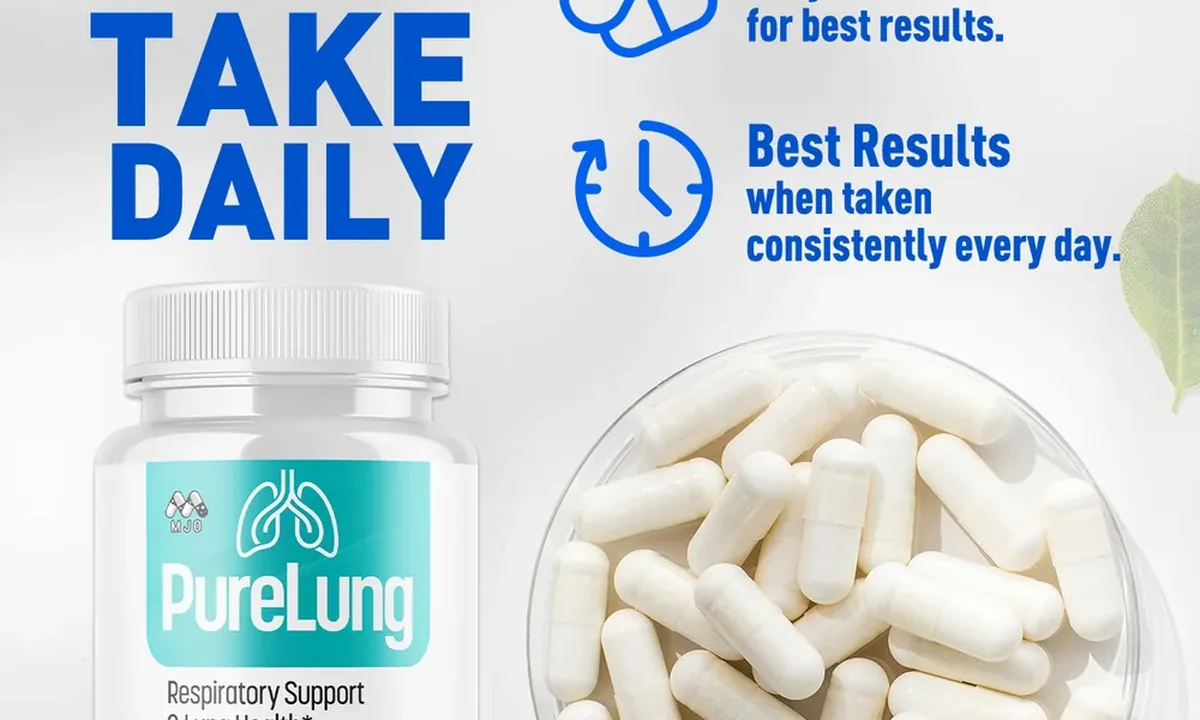
    The vendor is explicit about timing: take 2 capsules daily after a meal for best results. Sixty capsules at two a day is thirty servings, which matches the panel, and two capsules is the serving that the 600 mg figure refers to.

  2. Every day, not when you remember

    The same graphic adds that results are best when it is taken consistently every day. That is the least glamorous line in the whole marketing set and the most accurate one, because adherence decides whether any ingredient in the bottle gets a chance to do anything.

  3. Take the bottle to a pharmacist first

    Ours, not theirs. Ginkgo can add to anticoagulant and antiplatelet medicines, concentrated green tea extract has a recognized association with liver injury, and vitamin B6 has a real upper intake limit. An ingredient list without amounts is exactly the case where a professional should see the bottle.

The manufacturer's directions graphic: take 2 capsules daily after a meal, consistently every day
The manufacturer's own "How to take daily" graphic.

Do not use this instead of an inhaler. PureLung is a dietary supplement. It is not a treatment for asthma, COPD, bronchitis, a respiratory infection or any other lung condition, and it is not a rescue medication. If you are short of breath, wheezing, coughing up blood or your usual medication is not working, that is a medical situation and this is a supplement page. Seek care.

Who It Fits

Who This Ingredient List Suits, and Who It Does Not

It may suit you if

You are a generally healthy adult who wants a broad antioxidant supplement, you can live with an ingredient list that gives no individual amounts, and you are treating it as general wellness rather than as anything tied to a diagnosis. Read it as an antioxidant formula with a respiratory name and your expectations will be calibrated correctly.

It will not suit you if

You have a diagnosed respiratory condition, you take anticoagulant or antiplatelet medication, you have liver disease or take a liver-affecting medicine, you already supplement B6, you are pregnant or nursing, or you are under 18. In every one of those cases the undisclosed amounts stop being an annoyance and start making the ingredient list impossible to assess safely.

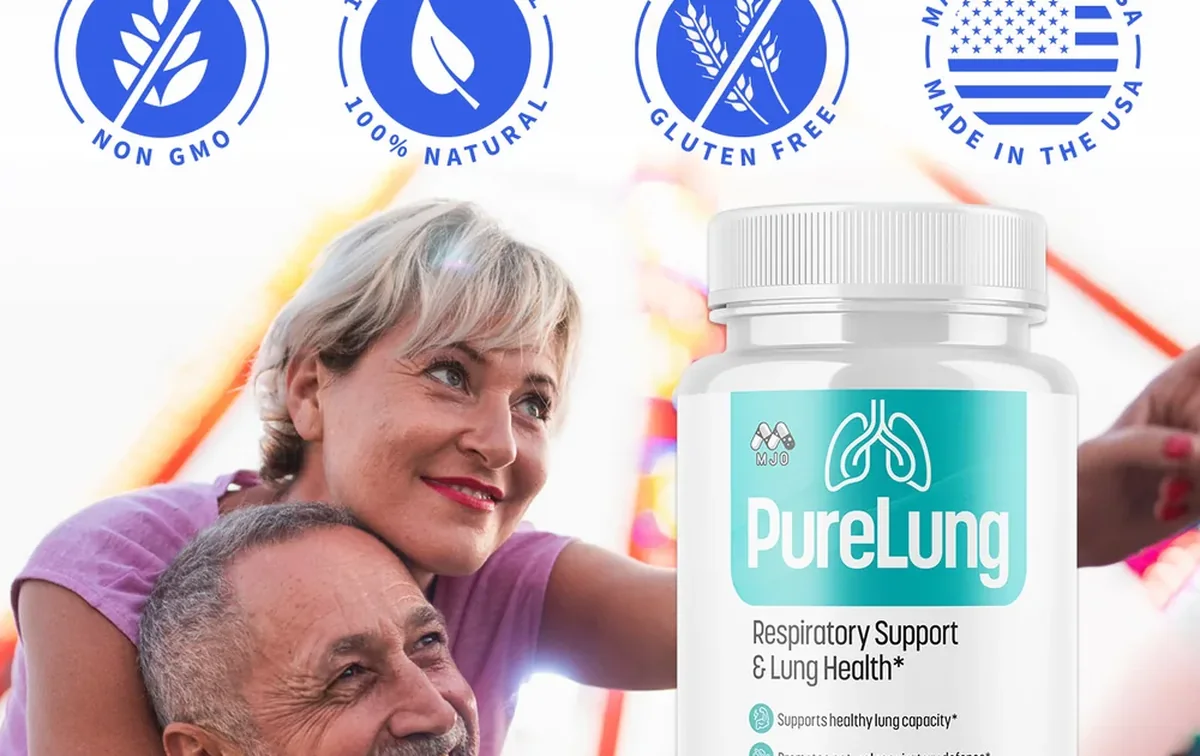
Manufacturer lifestyle artwork showing an older couple outdoors beside the PureLung bottle and its non-GMO, natural, gluten-free and made-in-USA roundels
Manufacturer lifestyle artwork. Illustrative marketing material — not a customer and not a result.
How It Is Sold

How PureLung Is Sold, and Who Sells It

This is the section where most affiliate pages invent something. Here is only what the listing itself shows.

What the listing shows on the day you open it

The short link recorded on the packaging redirects to a live marketplace listing, and the seller's own photographs of the Supplement Facts panel are the source for everything transcribed on this page. Marketplace listings change, so check the panel image on the listing itself rather than trusting a date stamp on someone else's page.

No invented before-and-after figures

A crossed-out earlier figure has to be a number the seller actually charged. This seller publishes none, so no crossed-out figures appear here at all. Whatever the listing shows on the day you open it is the only reading worth having, and it belongs on the listing rather than on this page.

Who the seller actually is

Not the brand — a reseller. The listing is run by Blue Horizon Brands of Salisbury, North Carolina, 99.4% positive across 4,341 ratings, trading since November 2025. Returns are 30 days with the seller paying return postage, and the eBay Money Back Guarantee sits behind it.

Before you order anything from a marketplace listing. Check the seller name, check the return window and who pays return shipping, and check the expiry date on arrival. Marketplace supplement listings change hands, and the guarantee badge on a product photograph is the manufacturer's artwork rather than the seller's policy. The policy is whatever the listing page says on the day you buy.

Even-Handed Check

Is PureLung a Scam? What Checks Out and What Does Not

"Scam" has a specific meaning: taking money for a product that is not shipped, or is not what the label says. On that definition there is no evidence PureLung is a scam — it ships from a rated marketplace seller with a return window — but there are real disclosure weaknesses a buyer should price in before ordering.

Red flags we can name

The whole formula sits inside one undisclosed proprietary blend, so no individual dose is verifiable, and 600 mg spread across eleven ingredients averages roughly 55 mg each — below the amounts used in most published trials. Four of the eleven (lutein, zeaxanthin, bacopa, ginkgo) have evidence bases in eye health and cognition rather than respiratory health. The "third party lab tested" line is the vendor's own artwork with no certificate of analysis attached, and the bottle carries structure/function claims that are asterisked rather than proven. We found no published clinical trial of this finished formula.

What actually checks out

The Supplement Facts panel is photographed on the live listing and matches the transcription on this page, including the three inactive ingredients. The seller is identifiable — Blue Horizon Brands of Salisbury, North Carolina — with a 30-day return window, seller-paid return postage and the marketplace guarantee behind it. Directions are specific rather than vague. Several individual ingredients, notably green tea catechins and the B vitamins, are real nutrients with genuine literature, even if the amounts here are unknown. Nothing on the packaging claims to treat a disease.

What form does PureLung come in — capsule, gummy or liquid drops?

PureLung is sold as capsules and only as capsules. The bottle holds 60 capsules, the serving is two capsules, and that gives 30 servings — roughly a month per bottle. There is no gummy, no powder, no tincture and no liquid drop version of PureLung on the listing we checked, so any page offering you "PureLung gummies" is describing something the manufacturer does not sell.

What does PureLung cost, and where do you buy it?

PureLung is sold through a marketplace listing rather than a dedicated brand checkout, which is unusual for a supplement marketed this way. On 9 August 2026 the listing showed US$29.95 for a two-bottle pack — the marketplace's own per-unit line reads that as US$14.98 a bottle — with Best Offer enabled and free shipping. That is a marketplace price, not a fixed one: it moves, and listings end. There is no published single-bottle price and no subscription. The only figure worth acting on is the one on the listing on the day you open it, which is where our buy link goes.

What do PureLung buyer reports actually tell you?

Very little that is reliable, and we would rather say so than pad this page. The feedback score attached to the listing (99.4% across 4,341 ratings) rates the seller's shipping and service across everything they sell, not this formula's effect on anyone's breathing. Marketplace comment volume for this specific product is thin, unverified and not collected under any protocol. We publish no star score for PureLung and we aggregate no buyer comments into a number, and a site that does is doing marketing rather than measurement.

What the evidence does not show

To be plain about the limits: there is no published human trial of the PureLung blend itself, no evidence that it restores or "rejuvenates" lung tissue, no evidence it improves measured lung function such as FEV1, and no evidence it treats, prevents or reduces asthma, COPD, bronchitis or any infection. Ingredient-level research is not product-level proof, and with the individual amounts undisclosed even the ingredient-level research cannot be applied to this bottle. Antioxidant supplementation in smokers deserves particular caution: the ATBC trial in The New England Journal of Medicine reported higher lung cancer incidence among male smokers given beta-carotene, and the CARET trial reported the same direction of harm on beta-carotene plus vitamin A. For general guidance on judging any supplement claim, the NIH Office of Dietary Supplements and NCCIH both publish plain-language checklists, and an analysis in JAMA found that supplements named in FDA warning letters frequently remained on sale afterwards.

Ingredient FAQ

PureLung Ingredient Questions, Answered

What are the PureLung ingredients?

The panel lists one proprietary blend at 600 mg per two-capsule serving, and inside it: Himalayan pink salt, cinnamon extract, AGP choline, bacopa monnieri (20%), lutein (5%), bilberry leaf powder, vitamin B6, gingko biloba powder, vitamin B12, zeaxanthin (5%) and green tea extract (50%). Rice flour, magnesium stearate and silica dioxide are the three inactive ingredients.

How much of each PureLung ingredient is in a serving?

Nobody outside the manufacturer knows. A proprietary blend is permitted to publish the total only, and 600 mg across eleven ingredients averages 55 mg each, well under the studied dose of several of them. The order of the list is the one clue you get: US labeling rules require blend components to appear in descending order by weight.

How do you take PureLung?

The manufacturer's directions graphic is specific: take 2 capsules daily after a meal for best results, consistently every day. Two capsules is the serving the 600 mg blend total refers to, so a 60-capsule bottle is thirty servings, which the panel confirms as one month.

Why are eye and memory ingredients in a lung supplement?

It is the fair question to ask. Lutein and zeaxanthin are studied almost entirely for eye health, and bacopa and ginkgo for cognition. The charitable reading is that all four were chosen as antioxidants, which they genuinely are. The less charitable reading is that this is a general-purpose antioxidant list wearing a respiratory name.

Is green tea extract safe?

For most people, yes, but concentrated green tea extract carries a recognized and uncommon association with liver injury, which is why several regulators advise taking it with food rather than on an empty stomach. The manufacturer's own after-a-meal instruction happens to line up with that advice.

Where do you buy PureLung?

Through a marketplace listing rather than a dedicated checkout funnel, which is unusual for a supplement marketed this way. Marketplace terms move and listings end, so the only reliable figure is the one on the listing itself on the day you open it, and this page does not restate it. Check the seller, the shipping and the returns terms there before you buy.

Does PureLung treat asthma, COPD or any lung condition?

No. It is a dietary supplement, not a medicine, and it is not intended to diagnose, treat, cure or prevent any disease, including asthma, COPD, bronchitis or any infection. If you have a diagnosed respiratory condition, your inhaler and your clinician are the treatment, and no ingredient here is a substitute for either.

Are there interactions to check?

Several, and an undisclosed blend makes them harder to check rather than easier. Ginkgo can add to the effect of anticoagulant and antiplatelet medication; green tea extract interacts with some drugs and with liver-affecting medicines; vitamin B6 has a genuine upper intake limit; and bacopa is cholinergic. Take the bottle to a pharmacist if you take anything regularly.

Is PureLung a capsule, a gummy or a liquid drop?

A capsule, and only a capsule. The bottle holds 60 capsules, the serving is two capsules, and that works out at 30 servings per bottle. No gummy, powder, tincture or liquid drop version of PureLung appears on the listing, so a page offering PureLung gummies is describing a product the manufacturer does not sell.

How much does PureLung cost and where do you buy it?

When we checked the listing on 9 August 2026 it showed US$29.95 for a two-bottle pack, which the marketplace's own per-unit line reads as US$14.98 a bottle, with Best Offer enabled and free shipping. It is sold through a marketplace listing rather than a dedicated brand checkout, there is no published single-bottle price and no subscription. Marketplace prices move and listings end, so the figure on the listing the day you open it is the only one worth acting on.

Is PureLung a scam?

Not on the strict meaning of the word: it ships from an identifiable marketplace seller with a 30-day return window, and the panel photographed on the listing matches what we transcribed. The fair criticisms are about disclosure rather than fraud. The entire formula sits inside one undisclosed proprietary blend, 600 mg across eleven ingredients averages about 55 mg each, no certificate of analysis is attached to the third-party-testing claim, and no clinical trial of the finished formula has been published.

Are there real PureLung buyer reports worth reading?

Not many, and none collected under any protocol. The feedback percentage on the listing rates the seller's shipping and service across everything they sell rather than this formula's effect on breathing, and comment volume for this specific product is thin and unverified. We publish no star score and aggregate no buyer comments into a number, because there is nothing here solid enough to average.

PureLung 60 capsule bottle

Check the PureLung Label on the Live Listing

Sixty capsules a bottle, two a day after a meal, one 600 mg blend of eleven ingredients. It listed at US$29.95 for two bottles on 9 August 2026, but that is a marketplace price and it moves — check it yourself, read the panel against the transcription above, and buy only if the arithmetic works for you.

Get Offer

60 capsules · 30 servings · 600 mg proprietary blend