What 600 mg Split Eleven Ways Actually Buys You
Quick Answer: How Much of Each Ingredient Is in a Blend?
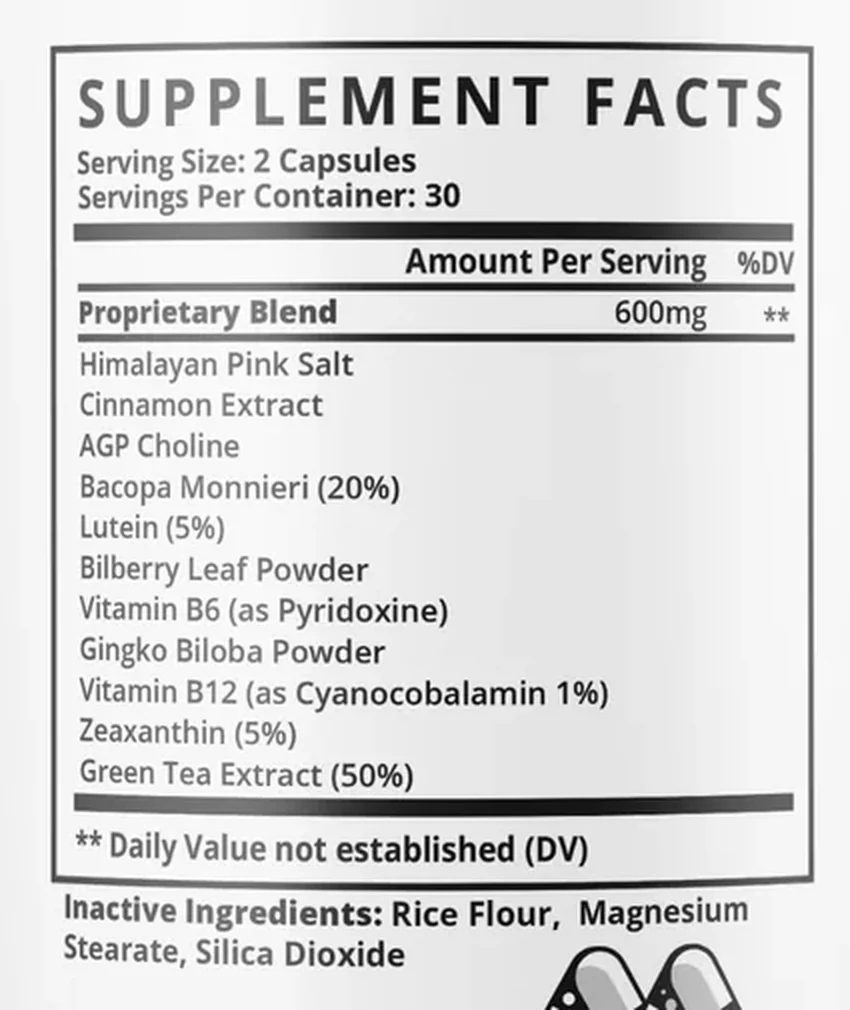
You are not told, and you cannot calculate it — but you can bound it. Divide the blend total by the number of ingredients for the average: 600 mg across eleven is about 55 mg each. Real blends are never even, so use the one rule the label must follow: components are listed in descending order of weight. The first item is the biggest, the last is the smallest, and anything in the back half of a long list is present in a very small amount.
- Average: blend total ÷ number of ingredients. A floor for your expectations, not a fact.
- Ordering rule: descending by predominance. Position is information.
- Red flag: the marquee ingredient listed last.
Why blends are allowed at all
The general advice for reading any undisclosed formula comes from the same place: the NIH Office of Dietary Supplements recommends judging a product on amounts and independent verification rather than on the names printed across the front of the bottle.
US labelling rules let a manufacturer group dietary ingredients into a proprietary blend and declare only the total weight, provided every component is named and the components are listed in descending order of predominance. The stated justification is trade secrecy — a formulator who publishes exact ratios hands them to a competitor. The practical consequence is that a shopper cannot compare two products, and the manufacturer can change the ratios without changing the label.
Squeezing information out of one number
Three moves, in order.
1. Take the average
Total divided by count. It is not the real distribution, but it sets a ceiling on the optimism: no ingredient can be above the total, and if the average is already far below a studied dose then most of the list is decorative. A blend of 600 mg with eleven components averages 55 mg. Ginkgo leaf extract is studied at 120–240 mg. Bacopa at around 300 mg. Lutein at 10 mg — that one fits comfortably, which tells you something too.
2. Read the order
Descending by weight is a hard requirement, and it is the only per-ingredient information a blend gives you. If a bulk material like a salt or a rice-flour-adjacent powder sits first, it is the largest share. If the ingredient the product is named after sits last, it is the smallest. That single observation resolves most "does this work" questions before you get to the research.
3. Apply plausible ceilings
Some ingredients cap themselves. Vitamin B12 is dosed in micrograms, so it cannot be a meaningful share of a milligram total. Vitamins with an established upper limit — B6 at 100 mg a day — are unlikely to be near it in a general formula. Standardisation percentages help too: an extract at "50%" contributes half its weight as the active fraction.
Worked example
| Ingredient | Typical studied dose | Fits inside a 55 mg average? |
|---|---|---|
| Lutein | ~10 mg/day | Yes |
| Zeaxanthin | ~2 mg/day | Yes |
| Vitamin B6 | 1.3–1.7 mg/day RDA | Yes |
| Green tea extract | 200–400 mg/day | No |
| Bacopa extract | ~300 mg/day | No |
| Ginkgo extract | 120–240 mg/day | No |
A formula can be honest and still fail this test. The point of the table is not that the product is bad — it is that the ingredients doing the marketing work are the ones that cannot fit, and the ones that fit are the ones nobody bought it for.
Long lists are a design choice
The arithmetic bites hardest against ingredients whose studied amounts are large. N-acetylcysteine, the best-evidenced ingredient in respiratory supplements, was given at 600 mg twice daily in its largest trial (PANTHEON trial, Lancet Respiratory Medicine, 2014) — twice the entire blend weight discussed here.
There is a real trade-off between breadth and dose. Eleven ingredients at 55 mg each and two ingredients at 300 mg each cost roughly the same to make and look very different on a label. Marketing prefers the long list; pharmacology prefers the short one. When you see a very long blend at a modest total, you are looking at a product optimised for the front of the bottle. Breadth also lets a formula borrow credibility from research that was never respiratory at all, which is why eye nutrients keep appearing in lung blends.
What to do about it
Two reference points make the exercise faster: the NIH Office of Dietary Supplements publishes tolerable upper intake levels for the vitamins that have them, and an analysis in JAMA, 2022 found supplements named in FDA warning letters often remained on sale, so a blend total is not the only thing worth checking yourself.
- Work out the average before you read a single review.
- Find the two or three ingredients you actually want, and check where they sit in the order.
- If they are in the back half, price a standalone version of just those at a disclosed dose. It is frequently cheaper.
- Keep the receipt and the return window. A panel you only see after buying is a panel you may need to act on.
Two of those steps need numbers from outside the panel. Our six-point checklist for choosing a lung supplement covers dose disclosure, third-party testing and the questions a blend total cannot answer, and our guide to PureLung cost and where to buy it converts a pack price into cost per day so you can weigh a blend against a standalone bought at a disclosed dose.
Medical note: general information, not medical advice. Undisclosed amounts also make interactions harder to assess — show the label to a pharmacist if you take prescription medication.
Scientific references
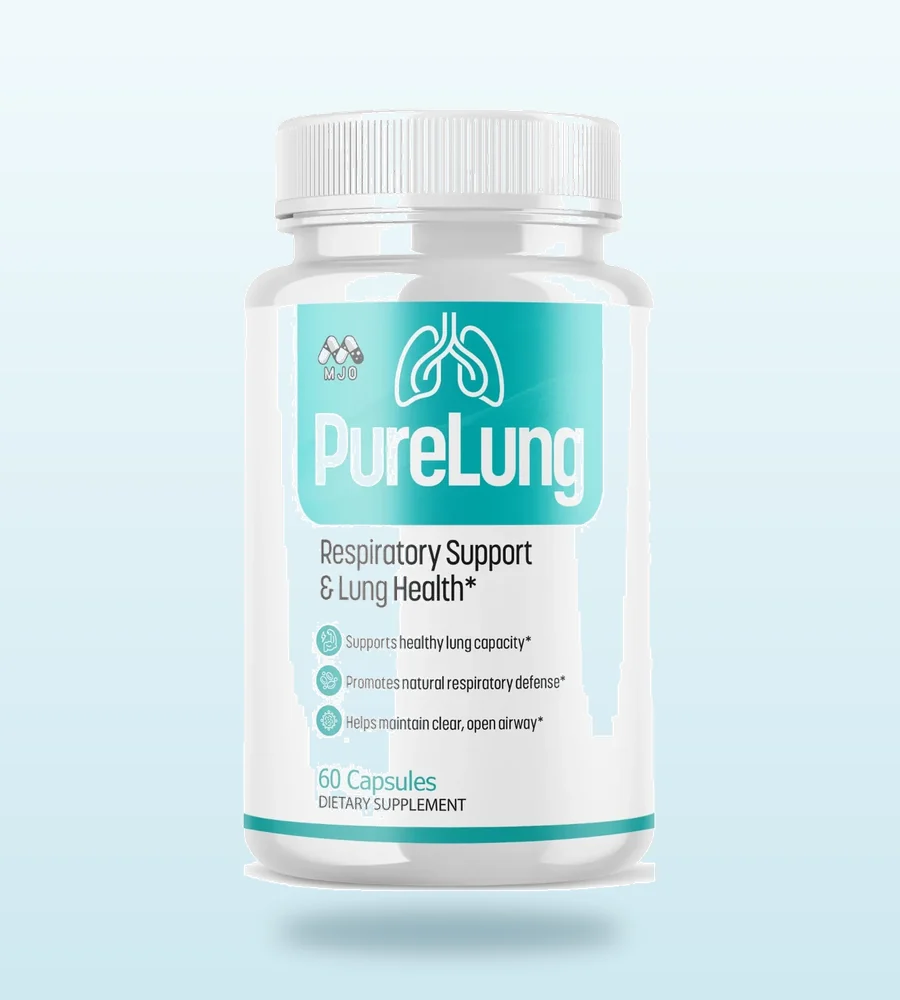
PureLung is 600 mg across eleven ingredients
We transcribed the whole panel and did the arithmetic on the page — including which ingredient the descending-order rule puts first.
Read the PureLung Review