Lutein and Zeaxanthin in a Respiratory Formula: A Fair Question
Quick Answer: Do Lutein and Zeaxanthin Do Anything for Lungs?
There is no meaningful human evidence that they do. Both are xanthophyll carotenoids that concentrate in the macula of the eye, and essentially their entire clinical literature — including the large AREDS2 trial — is about age-related eye health, at roughly 10 mg of lutein and 2 mg of zeaxanthin daily. They are real antioxidants, and carotenoid intake shows up in population studies of lung function, but observational diet data is not evidence for a capsule. In a respiratory blend they are a reasonable antioxidant inclusion and not a targeted one.
- Where they act: macular pigment. That is the tissue that concentrates them.
- Studied dose: ~10 mg lutein + ~2 mg zeaxanthin daily.
- The honest framing: broad antioxidant support, not lung-specific action.
What these two molecules actually are
Lutein and zeaxanthin are xanthophylls — oxygen-containing carotenoids found in dark leafy greens, egg yolk and maize. Unlike beta-carotene they are not converted to vitamin A. Their striking property is selective accumulation: of all the carotenoids circulating in blood, these two are the ones deposited in the macula, where they filter high-energy blue light and quench reactive oxygen species in a tissue under constant photo-oxidative stress.
That is a very specific piece of biology, and it is why the research followed the eye. The AREDS2 trial tested them in an age-related macular degeneration formulation; the supporting literature is about macular pigment optical density and visual performance. None of it is about breathing.
Where the respiratory idea comes from
Two threads, both weaker than they sound.
The first is epidemiology. Population studies have repeatedly linked higher dietary carotenoid intake, and higher blood carotenoid levels, with better measured lung function and slower decline. Those associations are real. They are also exactly what you would expect from people who eat a lot of vegetables, and they do not survive translation into "take this capsule" without a trial that has not been done.
The second is mechanism by analogy. The lung, like the retina, is a tissue with a high oxidant burden. An antioxidant that works in one high-oxidant tissue could plausibly help in another. Plausible is the correct word, and it is where the argument currently stops.
Rationale or padding? Four tests
| Question | Rationale looks like | Padding looks like |
|---|---|---|
| Is the dose in range? | ~10 mg lutein stated | Unstated, inside a small blend |
| Is the form specified? | Standardised, with a % or a source | A bare name |
| Does the page explain why? | An antioxidant rationale, stated as such | An implied lung benefit |
| Is it near the front of the blend? | Early in descending order | Buried at the end |
The label-padding incentive
The scale of the real evidence base is worth stating first: the long-term outcome of adding lutein and zeaxanthin to the AREDS formula was measured over ten years in the eye, not the lung (AREDS2 Report 28, JAMA Ophthalmology, 2022).
Ingredients like these are cheap at small quantities, recognisable to shoppers, and add a line to the panel. A formula with eleven names on it feels more comprehensive than one with three, and the front of the bottle can say "with lutein and zeaxanthin" regardless of amount. None of that makes an inclusion dishonest — but it does mean the presence of a familiar ingredient is not, on its own, information, which is why the NIH Office of Dietary Supplements tells you to look for amounts rather than names. How much padding you are paying for is measurable if you do the arithmetic on a 600 mg eleven-ingredient blend.
If you actually want these two
And keep the general caution in view: NCCIH notes that isolated antioxidant supplements have generally not reproduced the benefits observed in antioxidant-rich diets.
Buy them at a disclosed dose. Standalone lutein/zeaxanthin products state milligrams per softgel, usually in the 10 mg + 2 mg pattern the research used, and they are inexpensive. And remember the boring version works too: spinach, kale, broccoli and egg yolk are dense sources, and dietary intake is what the epidemiology was measuring in the first place.
If your interest is respiratory rather than ocular, the nutrients that do carry lung evidence are set out in our grading of vitamins for strong lungs, and our side-by-side comparison of lung supplements shows which products publish their amounts instead of hiding them in a blend.
Medical note: general information only. Nothing here is a treatment for any eye or lung condition. If your vision or your breathing has changed, that is a reason to see a clinician, not to buy a supplement.
Scientific references
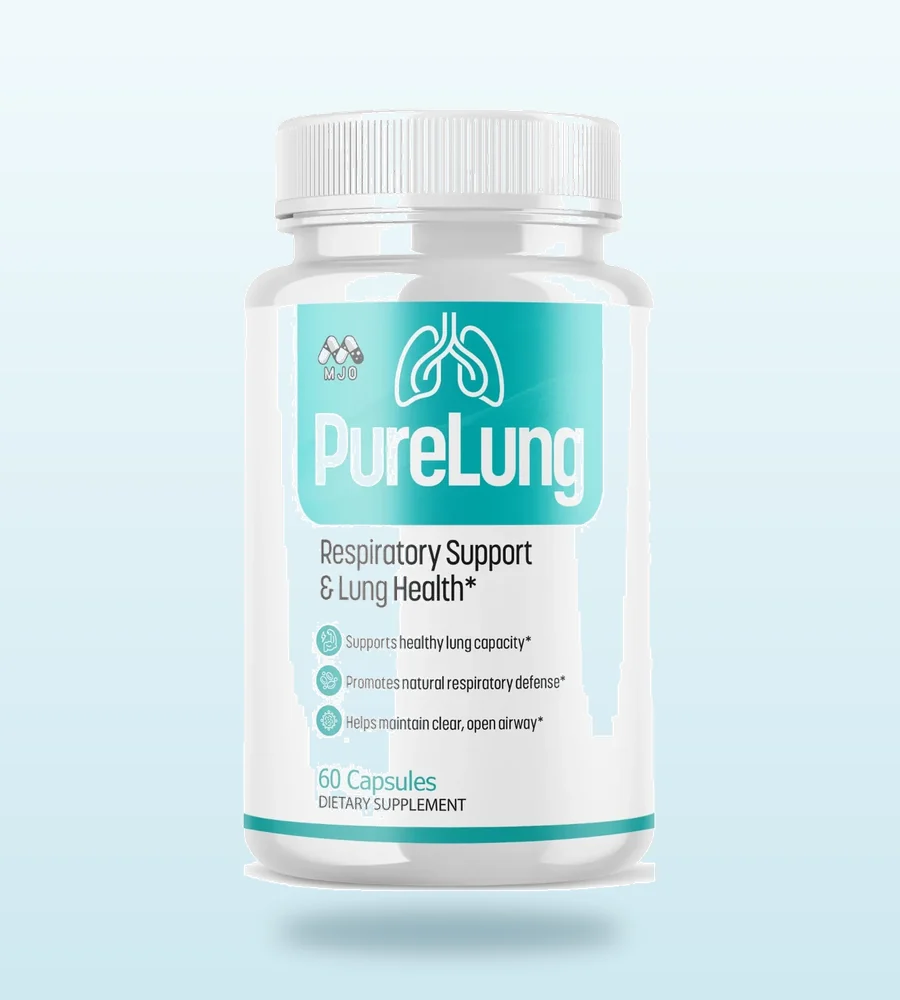
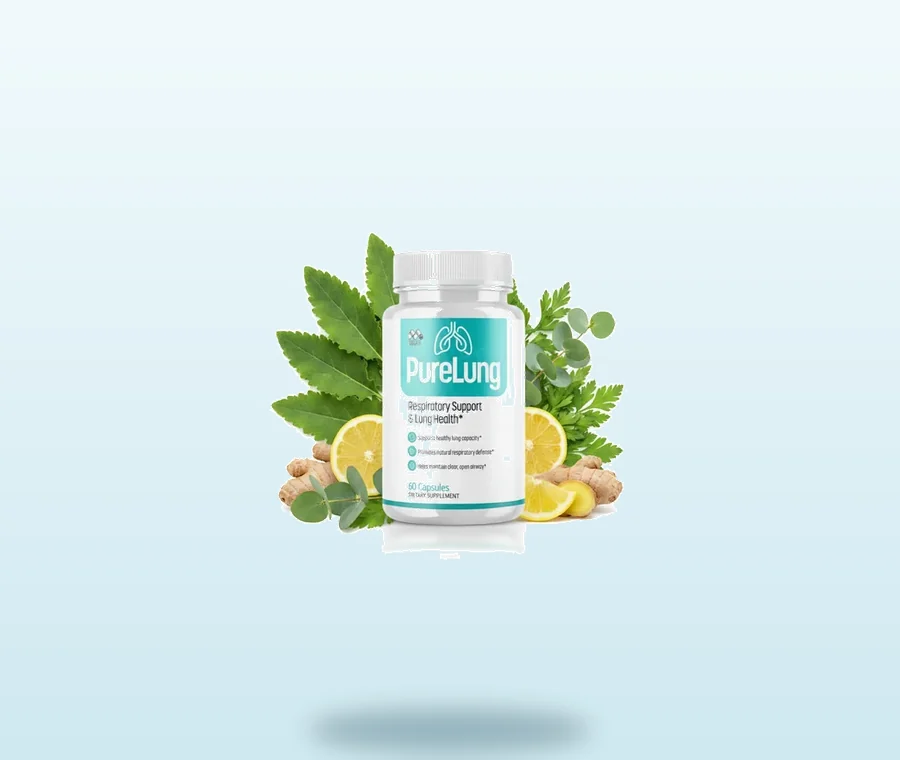
PureLung contains both, at 5% standardisation
See where they sit in the blend's descending order, and what that implies about the amount.
Read the PureLung Review