Lung Health and Rejuvenation Supplement Claims: What Holds Up
Quick Answer: Can a Supplement Rejuvenate Your Lungs?
No capsule rejuvenates a lung. "Rejuvenation" is marketing language rather than a physiological category: adult human lungs have very limited capacity to replace alveoli that have been destroyed, and nothing sold as a dietary supplement has been shown to rebuild them. What a lung health and rejuvenation supplement can plausibly offer is narrower and less exciting — nutrients that airway tissue uses, correction of a shortfall you actually have, and support for normal antioxidant defences.
- Cannot: regrow alveoli, undo emphysema, or clear tar from airways.
- May help: nutrient adequacy — vitamin C, vitamin D, magnesium, polyphenols — where intake is genuinely low.
- Does the heavy lifting: stopping smoking, exercise, air quality, and medical care for symptoms.
Where the word "rejuvenation" comes from
It comes from the copywriter, not the clinic. No medical body classifies "lung rejuvenation" as an outcome; no trial measures it; there is no unit for it. That is exactly why it works as marketing. A claim that cannot be measured cannot be falsified, and a claim that cannot be falsified never has to survive a study.
The word also does regulatory work. US supplement rules permit structure-function statements — "supports respiratory health" — but prohibit claims to treat, cure, prevent or reverse disease. "Rejuvenate" sits in the gap: it sounds like reversal to a shopper while remaining vague enough to avoid naming a condition. Once you notice the trick, you see it everywhere: renew, restore, revitalise, reset, deep-clean. All of them imply a return to an earlier state that no capsule has been shown to produce.
None of this makes the products fraudulent. It means the interesting question is not whether a supplement rejuvenates anything, but what the ingredients on the label have actually been studied to do, and at what doses.
What lungs can and cannot repair
Lung tissue is not uniformly unrepairable, and the honest version of this story is more interesting than either extreme.
The airway lining does recover. The epithelium lining the bronchi carries cilia that beat in coordinated waves to move a mucus layer upward and out — the mucociliary escalator. Smoke paralyses and then destroys those cilia. After someone stops smoking, ciliary function recovers over a period of months, which is the physiological reason cough and mucus production commonly change after quitting. That is genuine, documented repair.
Alveoli largely do not. The gas-exchange sacs at the end of the airway tree are a different matter. Once alveolar walls are destroyed, as in emphysema, adult human lungs do not meaningfully rebuild them. Airflow obstruction that comes from lost elastic recoil and collapsed small airways is structural. Regenerative approaches are an active research field, but they involve laboratories rather than shelves, and nothing has translated into a pill.
Inflammation and mucus can shift. Between those two poles sits a middle ground where symptoms genuinely move: airway inflammation, mucus viscosity, infection frequency. This is where supplement ingredients make their most defensible claims, and it is also where the evidence is thinnest and most inconsistent.
A useful test for any product page: replace "rejuvenate" with "measurably improve, in a trial, by this much". If the sentence stops making sense, the claim was never a claim.
The four claims you will see, ranked by evidence
Almost every product in this category makes some combination of the following. The right-hand column is the part the sales page leaves out.
| Marketing claim | Usual ingredients cited | What the evidence actually supports |
|---|---|---|
| "Detoxifies and cleanses the lungs" | Salt, chlorophyll, "cleansing" herbs | Weak. The lung clears particles via cilia and immune cells; no oral product has been shown to accelerate that |
| "Rebuilds and rejuvenates lung tissue" | Proprietary botanical blends | None. No human evidence of alveolar regeneration from any supplement |
| "Thins mucus and clears airways" | N-acetylcysteine, bromelain, thyme | Moderate for NAC specifically, at gram-level doses well above blend amounts |
| "Fights oxidative stress in airway tissue" | Green tea polyphenols, vitamin C, carotenoids | Mechanistically reasonable; human respiratory endpoints mostly observational |
| "Supports normal breathing capacity" | Magnesium, choline, B vitamins | Plausible where intake is low; small trials, mixed results |
Read down that third column and the pattern is consistent. The claims that sell hardest have the least behind them, and the ingredient with the strongest file — NAC — is usually dosed at a level a multi-ingredient capsule physically cannot deliver.
Judge a formula on its panel, not its adjectives
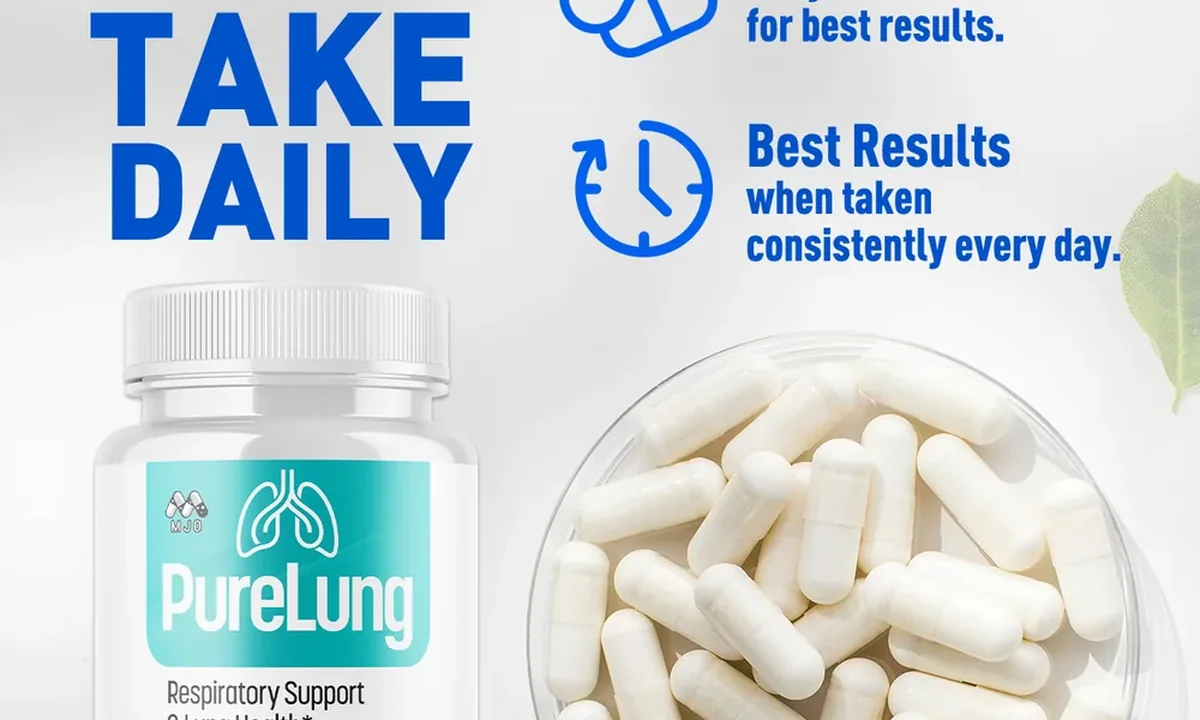
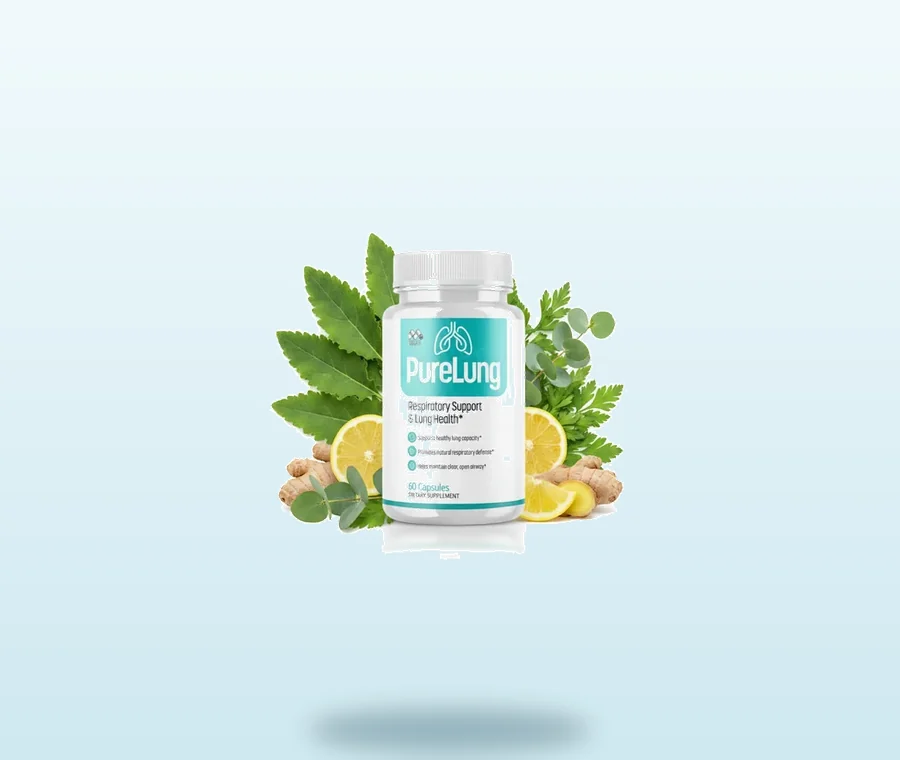
If you are working through what search results call the best lung cleanse supplement, the useful comparison is disclosed amounts and ingredient order. We transcribed PureLung's entire eleven-ingredient panel, including the ordering rule that tells you which item is largest.
See the Current PureLung OfferIngredients with a real, if modest, file
Stripping out the language leaves a short list of compounds that at least have a literature. None of them has been shown to rejuvenate anything. Each has a specific, narrow case.
N-acetylcysteine is the closest thing to an evidence-backed respiratory supplement ingredient. It is a cysteine donor and a mucolytic, studied over long periods in chronic bronchitis at doses measured in grams per day (Cochrane review of mucolytic agents, 2019; PANTHEON trial, Lancet Respiratory Medicine, 2014). Results are not uniform, and the doses involved are the important caveat: 600 mg to 1,200 mg daily is typical in that research, which is more than the entire blend weight of many respiratory formulas.
Vitamin D matters mostly through deficiency. Low status is associated with more respiratory infections and worse airway outcomes, and correcting a genuine deficiency is a reasonable, testable goal (individual-participant meta-analysis, BMJ, 2017). Supplementing on top of adequacy is where trials stop showing much.
Vitamin C is depleted faster in people exposed to cigarette smoke, and recommended intakes are higher for smokers for that reason. Repletion is sensible; megadosing has not delivered the respiratory benefits once hoped for.
Magnesium (NIH Office of Dietary Supplements) has a plausible mechanism in bronchial smooth muscle relaxation and a modest clinical literature, most of it in acute hospital settings using intravenous routes rather than daily capsules.
Polyphenols from green tea and similar botanicals have a coherent antioxidant rationale in a tissue with a high oxidant burden. The human respiratory data is largely observational, which is a real limitation, not a formality.
Ingredients that are mostly tradition
The rest of the category runs on history and association. Mullein, marshmallow root, thyme, elecampane and liquorice all have long records of traditional respiratory use, and traditional use is a reason to investigate rather than a result. Their controlled human evidence for measured lung outcomes is minimal.
A related trick is borrowed association. Himalayan pink salt appears on respiratory labels because of salt-room therapy, which involves inhaling aerosolised salt particles — a delivery route that has nothing in common with swallowing salt in a capsule. We took that specific claim apart in our look at what pink salt is doing in a supplement. Similar logic explains why eye carotenoids and nootropic botanicals turn up in lung formulas: they are familiar, they read as healthy, and they fill a panel.
The blunt version: a long ingredient list is a design decision about how the label looks, not evidence of a broad mechanism. Splitting a fixed blend weight across eleven names guarantees every name gets a small share, which is the arithmetic we worked through in what 600 mg split eleven ways actually buys you.
Reading a lung health and rejuvenation supplement label
Five checks, in order, take about two minutes and settle most purchases.
- Are amounts disclosed per ingredient? If everything sits inside one blend total, no dose comparison is possible and no evidence claim can be checked against the label.
- Where does the ingredient you care about sit? Blend components must be listed in descending order of weight, so position is the only per-ingredient information you get. Marquee ingredient last is a red flag.
- Do the doses reach studied ranges? Compare against the research amount for that specific compound, not against the blend total.
- Does the page name a disease? Legitimate supplement copy talks about supporting normal function. Copy that promises to reverse a condition is making a claim it is not permitted to make.
- What is missing? For some buyers the absence of an ingredient matters more than any inclusion — if you smoke, see our note on beta-carotene and smokers before you buy anything.
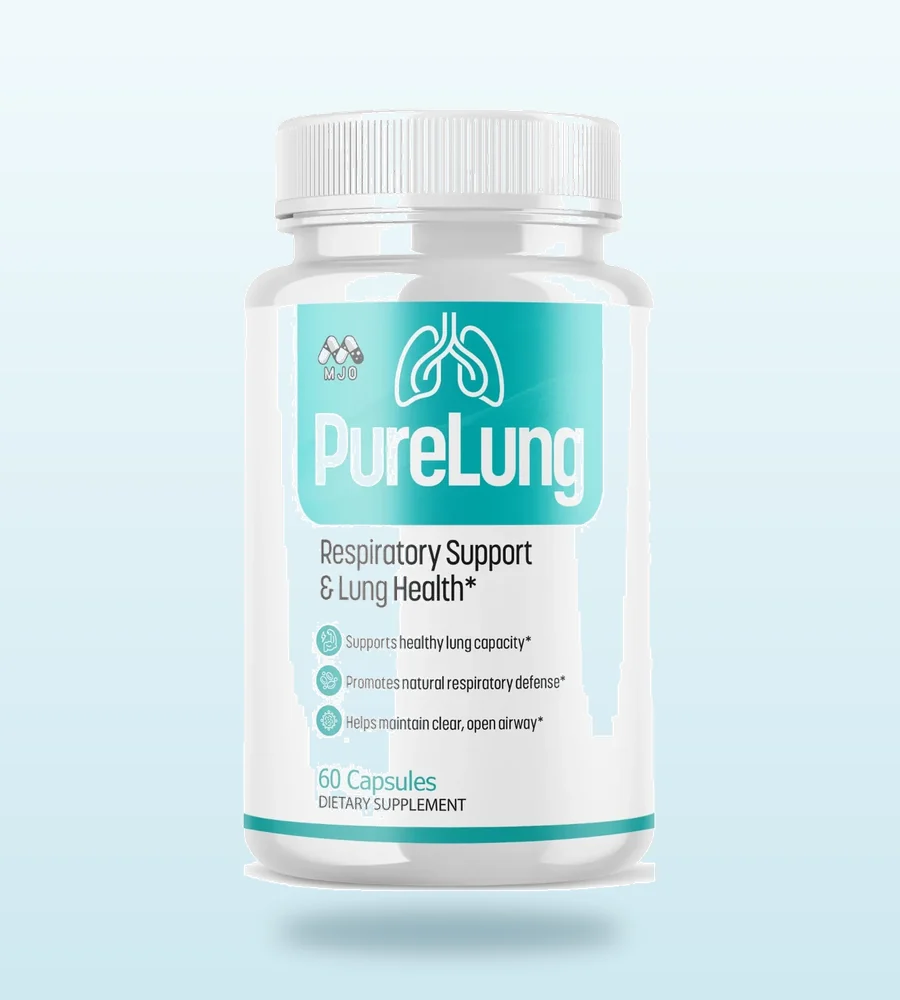
Applied to a real product, this is unglamorous work. PureLung's panel is a single 600 mg blend across eleven named ingredients with no per-item amounts, which means checks one and three cannot be completed from the label — check two is all you get. We set out the full transcription and what the ordering implies on our main PureLung page.
What this cannot do, stated plainly
A lung health and rejuvenation supplement cannot reverse emphysema, cure or treat asthma or COPD, clear tar from airways, restore lost lung capacity, replace an inhaler, or substitute for stopping smoking. Dietary supplements are not approved by the FDA before sale, and none of these products is intended to diagnose, treat, cure or prevent any disease. Anyone telling you otherwise is either mistaken or selling.
The evidence limitations are worth spelling out too. Most respiratory supplement research is small, short, industry-funded, or conducted in cells and animals rather than people. Single ingredients that look promising in isolation are rarely tested in the combinations sold on shelves. Observational associations between diets rich in produce and better measured lung function are consistent, but they measure diets, not capsules — and people who eat a lot of vegetables differ from people who do not in dozens of other ways.
Where a supplement can matter is narrower: if your vitamin D is low, or your vitamin C intake is poor, correcting that is real, measurable and worth doing. That is nutrition, not rejuvenation, and it is the honest version of the pitch.
Where the real gains are
If the goal is lungs that work better a year from now, the ranked list is not controversial and no supplement appears near the top of it.
Stopping smoking is first by a wide margin, and its effects on ciliary function and symptoms are measurable within months. Regular aerobic activity improves the efficiency of the whole breathing system even when lung mechanics themselves do not change, which is why supervised pulmonary rehabilitation is standard care for people with chronic lung conditions. Indoor air quality — ventilation, avoiding solid-fuel and second-hand smoke exposure, filtering where outdoor air is poor — changes the daily dose of irritant your airways handle. Vaccination as advised by a clinician reduces the infection burden that drives decline. And investigating persistent symptoms rather than self-treating them is the step people most often skip. The one supplement-adjacent idea with an active research programme behind it is indirect and immune rather than regenerative — see what the gut-lung axis does and does not show.
Against that list, a capsule is a small optimisation at the margin. It can still be a reasonable purchase, especially if it plugs a real dietary gap or you simply want the botanical antioxidants. Buy it for what it is. If you have compared options, looked at the PureLung price and want the current terms, the official store is the only place to confirm what is in stock and what the return window is.
Medical note: general information only, not medical advice. If you have asthma, COPD, a persistent cough, unexplained breathlessness or any diagnosed lung condition, manage it with a clinician. Do not stop or replace prescribed treatment with a supplement, and check with a pharmacist before adding one alongside medication.
Scientific references
- NHLBI — How the lungs work, including mucociliary clearance
- NIH NCCIH — Dietary and herbal supplements
- Poole P et al. — Mucolytic agents versus placebo for chronic bronchitis or chronic obstructive pulmonary disease. Cochrane Database of Systematic Reviews, 2019 (PMID 31107966)
- Harvard T.H. Chan School of Public Health — The Nutrition Source: vegetables and fruits
- Mayo Clinic — Pulmonary rehabilitation
See the panel before you judge the promise
Eleven ingredients, one 600 mg blend total, transcribed in full — then check current availability and terms at the official store.
Check PureLung Availability