Lung Health Supplement for Smokers: The Beta-Carotene Caution
Quick Answer: What Should Smokers Avoid in a Lung Supplement?
If you smoke, or stopped recently, the first thing to check on any lung supplement label is whether it contains supplemental beta-carotene or high-dose vitamin A. Two large randomised trials — ATBC in Finland and CARET in the United States — found more lung cancer among smokers given high-dose beta-carotene than among those given placebo, which is the opposite of what the researchers expected. Carotenoids eaten as food were never implicated; the problem appeared with isolated, concentrated doses taken daily for years.
- Avoid: beta-carotene, retinol and retinyl palmitate at supplemental amounts if you currently smoke.
- Why: the excess risk showed up specifically in smokers and asbestos-exposed workers, not in the general population.
- Not affected: carrots, spinach, peppers and other whole-food sources of the same pigments.
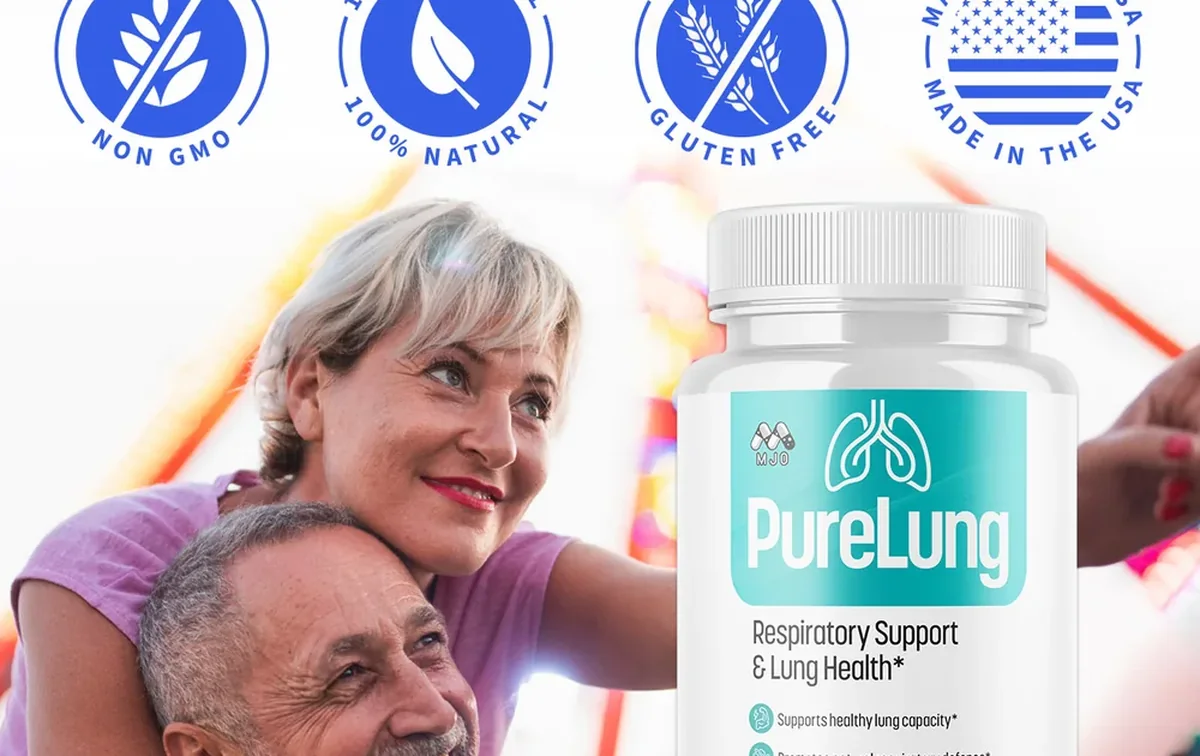
What the two big beta-carotene trials actually found
By the late 1980s the case for beta-carotene looked close to settled. People who ate more carotenoid-rich vegetables had less lung cancer. Blood carotenoid levels tracked the same way. Beta-carotene was a potent antioxidant, cheap to make, and the lung is a tissue under permanent oxidative assault. Two governments funded large randomised trials to convert that observation into a prevention strategy.
The Finnish ATBC study gave male smokers alpha-tocopherol, beta-carotene, both, or neither, and followed them for years (ATBC trial, New England Journal of Medicine, 1994). The American CARET study combined beta-carotene with retinyl palmitate and enrolled heavy smokers plus workers with occupational asbestos exposure (CARET trial, New England Journal of Medicine, 1996). Both reported the same uncomfortable direction of effect: lung cancer incidence was higher in the beta-carotene arms. CARET was stopped ahead of schedule once the pattern became clear. The findings have been re-analysed repeatedly in the decades since and the signal has not gone away, which is why the NIH Office of Dietary Supplements and other agencies still carry an explicit caution for smokers.
It is worth being precise about what this does and does not establish. It does not mean antioxidants are dangerous, and it does not mean any supplement causes cancer. It means one specific isolated compound, at a dose no diet delivers, behaved badly in one specific population — and that population is the one buying products aimed at smokers.
Why a good antioxidant went wrong in the smoker's lung
Nobody has proved the mechanism, and the honest answer is that several explanations remain on the table. The most-discussed is that beta-carotene can flip from antioxidant to pro-oxidant under high oxygen tension. The alveolus is the highest-oxygen environment in the body, and cigarette smoke supplies a stream of free radicals; in that setting, beta-carotene breakdown products may do damage rather than prevent it. A second hypothesis involves disturbed retinoic acid signalling in airway tissue, and a third points to induction of drug-metabolising enzymes that alter how smoke carcinogens are processed.
What matters for a shopper is not which hypothesis wins. It is the general lesson underneath all three: the behaviour of a nutrient inside a vegetable, buffered by fibre, dozens of other phytochemicals and a modest dose, does not reliably survive isolation into a capsule. That lesson applies well beyond carotene.
The trials did not show that antioxidants are bad for lungs. They showed that a nutrient's behaviour in a salad does not transfer automatically to the same nutrient isolated, concentrated, and swallowed every day for four years.
How much beta-carotene counts as a high dose?
This is where most people get lost, because the units differ between food labels, capsules and older vitamin A conversions. The rough landmarks below are the ones worth carrying into a shop. Note that the trial doses were not extreme by supplement-industry standards — they are ordinary numbers that still appear on shelves today.
| Source | Typical beta-carotene load | Evidence strength for lung outcomes |
|---|---|---|
| A medium carrot | Single-digit milligrams, with mixed carotenoids and fibre | Observational only; consistently favourable |
| A vegetable-rich daily diet | Low single-digit milligrams spread across meals | Observational only; consistently favourable |
| Standard multivitamin | Often a few milligrams, sometimes as mixed carotenoids | No trial evidence of benefit for lungs |
| ATBC trial arm | 20 mg of isolated beta-carotene daily | Randomised trial; more lung cancer in smokers |
| CARET trial arm | 30 mg beta-carotene plus retinyl palmitate daily | Randomised trial; stopped early for harm signal |
| Standalone carotene capsule | Commonly 7–25 mg per softgel | Inherits the trial caution for smokers |
The pattern is not subtle. Every row where the compound arrives as food looks fine. Every row where it arrives isolated at trial-scale doses carries a warning attached. And the multivitamin row is the awkward middle: no demonstrated benefit for breathing, and an ingredient you would rather not be taking without knowing you are taking it.
Checking a label before you buy is free
If you are comparing what search results call the best lung detox supplement for smokers, read the full ingredient panel before the sales page. PureLung's blend is transcribed line by line on our main page, including where each ingredient sits in descending order.
See the Current PureLung OfferReading the label on a lung health supplement for smokers
A lung health supplement for smokers is a marketing category, not a regulatory one, so the label is your only real filter. Work through it in this order.
1. Scan for the pro-vitamin A family. Beta-carotene is the obvious one, but the same caution is usually extended to retinol, retinyl palmitate, retinyl acetate and products that simply say "vitamin A" with an amount attached. Alpha-carotene and beta-cryptoxanthin are also pro-vitamin A carotenoids. Lutein, zeaxanthin, lycopene and astaxanthin are not — they do not convert to vitamin A, and they were not what the trials tested.
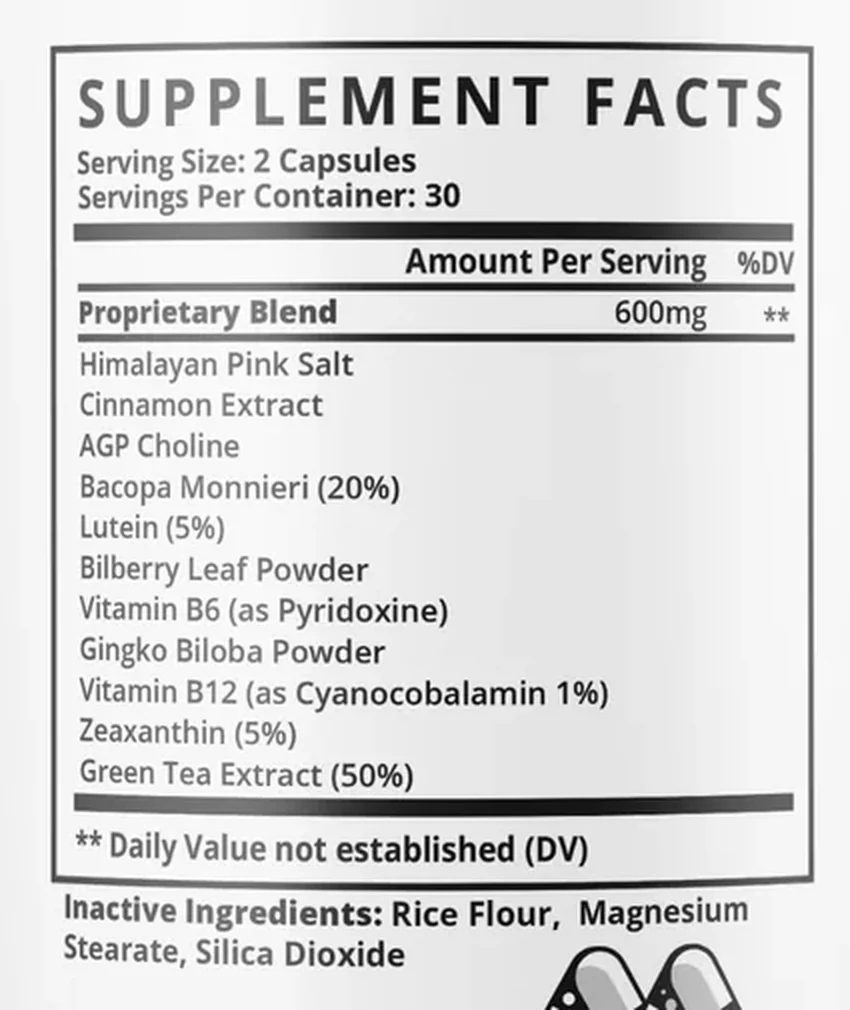
2. Check whether amounts are disclosed at all. This is the step most people skip. A proprietary blend names its components but declares only the total weight, so an ingredient can be present at an amount you cannot see. If beta-carotene appears inside a blend with no per-ingredient figure, you genuinely do not know how much you are getting. We walked through the arithmetic of that problem in what 600 mg split eleven ways actually buys you.
3. Look at the whole stack, not one bottle. A multivitamin, a greens powder and a "lung formula" taken together can each contribute carotene quietly. The trial doses were around 20 to 30 mg daily; three products at 8 mg each get you there without anything on any single label looking unusual.
4. Ask what the product is actually for. Some respiratory formulas contain no vitamin A family compounds at all. PureLung's eleven-ingredient panel, for example, is built from salt, botanicals, two eye carotenoids and two B vitamins — there is no beta-carotene and no retinol on it. That is a genuine point in its favour for this particular audience, and it is also the sort of thing you can only confirm by reading the panel yourself, which is why we published the full PureLung ingredient breakdown rather than a summary of the sales page.
What the caution does not cover
Overcorrecting here is its own mistake, so it is worth stating the boundaries plainly.
- Food is not the target. Carrots, sweet potato, spinach, kale, peppers and squash have never carried this signal. The epidemiology that started the whole line of research was about people eating vegetables, and that association still stands.
- Non-provitamin-A carotenoids are a different class. Lutein and zeaxanthin accumulate in the macula and do not convert to vitamin A. Their evidence base is ocular rather than respiratory, which is a separate criticism we have made at length in our piece on eye carotenoids in lung formulas — but "weak rationale" is not the same charge as "safety signal".
- Non-smokers were not the population studied. The excess risk was found in smokers and asbestos-exposed workers. That is not a licence for anyone else to take high-dose carotene, since benefit was not demonstrated in the other arms either, but it does mean the warning is specifically about this group.
- Vitamin A deficiency is a real medical situation. If a clinician has prescribed vitamin A for a diagnosed deficiency, that decision belongs to them, not to a supplement label or an article.
Ingredients that carry no comparable warning
Removing something from a shortlist is easier than replacing it, so here is the honest state of what usually turns up instead in a lung health supplement for smokers. None of these has trial evidence that it improves lung function in smokers. What they have is an absence of the specific harm signal, plus varying amounts of mechanistic or early clinical support.
Green tea polyphenols have the most coherent antioxidant rationale of the botanicals that turn up in respiratory blends, though the human respiratory endpoints are thin and mostly observational. Vitamin D is the one where deficiency correction has a plausible claim on immune and airway function, and it is easy to measure rather than guess. Vitamin C is depleted faster in smokers, and requirements are recognised to be higher, so ordinary repletion is a reasonable and boring goal. Magnesium has a bronchial smooth-muscle rationale and a small clinical literature. N-acetylcysteine is studied as a mucolytic, but at gram-level daily doses no multi-ingredient blend can hold.
Notice the shape of that list: nutrients where the plausible mechanism is "fix a shortfall", not "add a powerful compound". After ATBC and CARET that distinction stopped being academic. Each of those nutrients is graded on its own evidence in our rundown of vitamins for strong lungs, and our comparison of lung supplements shows which products disclose enough of the panel for a smoker to check it before buying.
What a capsule cannot do for a smoker
This is the section most product pages leave out, so we will be direct about it.
No supplement removes tar, reverses emphysema, restores destroyed alveoli or lowers the risk of smoking-related disease. Nothing sold as a dietary supplement is permitted to claim any of those things, and nothing on the market has evidence for them. Search phrases like "what is the best lung detox supplement" imply a cleaning process that does not exist as described; the lung clears particulates through the mucociliary escalator and immune cells, and that machinery is damaged by smoke rather than by a nutrient shortfall.
The interventions with real effect sizes are unglamorous and well documented: stopping smoking, which produces measurable recovery of ciliary function over months; physical activity and structured pulmonary rehabilitation where a clinician has indicated it; indoor air quality; vaccination as advised by a doctor; and getting persistent cough, breathlessness or a change in sputum properly investigated instead of self-treating it. A supplement sits somewhere below all of those, and any honest page selling one should say so.
Weak evidence deserves to be labelled as weak. Most of the respiratory ingredient literature is small trials, animal work and observational association. That is a reason for modest expectations, not a reason to pretend the studies are stronger than they are.
How to shop without walking into the same trap
Three habits cover most of the risk. First, read the panel before the pitch — the ingredient list is regulated, the sales copy largely is not. Second, add up your whole stack rather than one bottle, because the trial doses are reachable by accident. Third, treat any product marketed as the best lung cleanse supplement with the same scepticism you would apply to any other unfalsifiable promise, and judge it instead on disclosed amounts, sensible ingredient choices and what it leaves out.
That last point is the reason this article exists. Nearly every lung health supplement for smokers competes on what it adds; for this audience, the most valuable fact about a formula is often an absence rather than a presence.
Medical note: general information only, not medical advice, and not a substitute for talking to a clinician. If you smoke, the single most effective thing available to you is support to stop — ask your doctor or a national quitline. New or worsening cough, breathlessness, chest pain or blood in sputum needs medical assessment, not a supplement.
Scientific references
- NIH Office of Dietary Supplements — Vitamin A and carotenoids, including the smoker caution
- ATBC Study Group — The effect of vitamin E and beta carotene on the incidence of lung cancer and other cancers in male smokers. New England Journal of Medicine, 1994 (PMID 8127329)
- NIH NCCIH — Antioxidants in depth
- Harvard T.H. Chan School of Public Health — The Nutrition Source: Vitamin A
- Mayo Clinic — Quit smoking guidance and resources
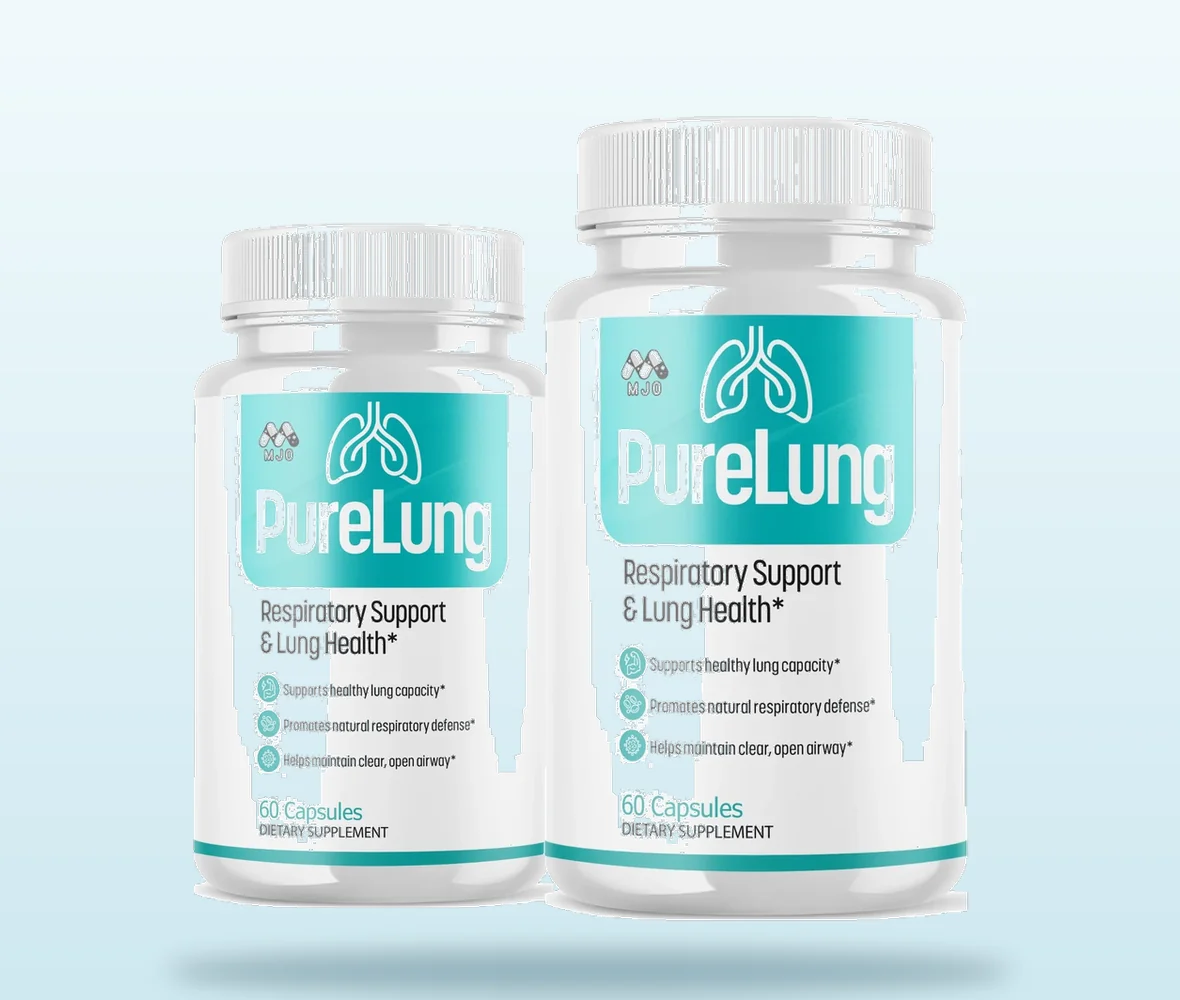
PureLung's panel contains no beta-carotene and no retinol
Eleven ingredients inside one 600 mg blend, transcribed in full on our main page — check the PureLung price and current offer at the official store.
Check PureLung Availability