Vitamins for Strong Lungs: Which Ones Have Evidence, Graded by Evidence
Quick Answer: Which Vitamins for Strong Lungs Actually Matter?
The best vitamins for strong lungs are vitamin D, vitamin C, vitamin E, vitamin A and the mineral magnesium — nutrients whose low levels track with weaker measured breathing. Correcting a real shortfall supports normal lung function, but vitamins do not build capacity on their own. Capacity is driven mostly by fitness, body size and not smoking, so treat any pill that promises bigger lungs with caution.
- Top picks: vitamin D first, then C, E, A and magnesium from food where possible.
- Reality: capacity comes from training, not tablets.
- Best move: fix a measured shortfall, then let exercise do the heavy lifting.
What "strong lungs" really means before we pick vitamins
Before listing vitamins for strong lungs, it helps to define the target, because the word "strong" hides two different ideas. One is function: how well your airways move air, clear mucus and resist the daily oxidative load of breathing. The other is capacity: the raw volume your lungs can move, measured as things like FEV1 and vital capacity. Vitamins have a plausible, evidence-backed role in the first. They have almost no independent role in the second. Keeping those two apart is the single most useful thing you can do when reading supplement marketing, because most overblown claims quietly swap one for the other.
Capacity is set mostly by factors no capsule touches: your height and body size, your age, your genetics, and above all your cardiorespiratory fitness. The person who jogs three times a week has stronger lungs than the person who takes five lung vitamins and sits down all day, and it is not close. That is not a reason to ignore nutrition — deficiency genuinely drags function down — but it is the frame that keeps the rest of this article honest. Vitamins support the machine. Training upgrades it.
The evidence-graded shortlist
Here are the nutrients with the most credible link to lung function, graded by how strong that link actually is. "Strong" here means consistent human data; "moderate" means plausible with mixed evidence; "supportive" means a sensible role mainly through correcting a shortfall.
| Vitamin / mineral | Adult RDA (typical) | Good food sources | Evidence for lungs |
|---|---|---|---|
| Vitamin D | 15–20 mcg (600–800 IU) | Oily fish, eggs, fortified milk, sunlight | Strong: low status links to poorer respiratory outcomes |
| Vitamin C | 75–90 mg (more for smokers) | Peppers, citrus, kiwi, broccoli, berries | Moderate: antioxidant support; higher need in smokers |
| Vitamin E | 15 mg | Nuts, seeds, sunflower oil, spinach | Moderate: antioxidant defense for airway tissue |
| Vitamin A | 700–900 mcg RAE | Eggs, dairy, orange and leafy vegetables | Supportive: needed for airway lining; caution on high doses |
| Magnesium | 310–420 mg | Nuts, legumes, whole grains, leafy greens | Moderate: bronchial smooth-muscle role |
Vitamin D: the one worth measuring
If you only act on one line in that table, make it vitamin D. It stands out for three reasons. Deficiency is genuinely common, particularly in people who work indoors, live at higher latitudes, have darker skin, or cover up in the sun. Low status consistently tracks with poorer respiratory outcomes in observational research. And — uniquely in this whole field — you can replace guesswork with a number by asking for a simple blood test, and the pooled trial data show the benefit sits in correcting a shortfall rather than topping up (individual-participant meta-analysis, BMJ, 2017; NIH Office of Dietary Supplements). That combination makes vitamin D the most rational first pick among vitamins for strong lungs: you can confirm a shortfall, correct it, and know you addressed something real rather than adding a nutrient you already had in surplus.
The honest limit: correcting a deficiency supports normal immune and airway function; it does not make healthy, replete lungs "stronger." Once your level is in range, more vitamin D does not buy extra breathing. This is the pattern for nearly every nutrient here — benefit lives in the climb out of deficiency, then flattens.
Vitamin C, E and the antioxidant pair
Vitamins C and E are the antioxidant workhorses. The lung is the body's most oxygen-exposed tissue, so the rationale for supporting its antioxidant defences is coherent, and diets rich in vitamin C in particular are associated with better measured lung function. Vitamin C is depleted faster in smokers, whose requirements are recognised to be higher, so for that group ordinary repletion is a reasonable, boring goal rather than a gimmick.
Two honesty checks. First, the association is strongest for these vitamins as food — the peppers, citrus, nuts and greens in the table, buffered by fibre and other phytochemicals — rather than as isolated megadoses, which have repeatedly underwhelmed in trials. Second, more is not better; high-dose antioxidant experiments have sometimes produced no benefit or even harm signals, which is exactly why the food-first framing keeps recurring in this article. If you want the fuller food-versus-pill argument, our companion piece on natural supplements for lung health graded by evidence lays it out in detail.
Want the vitamins without guessing the amounts?
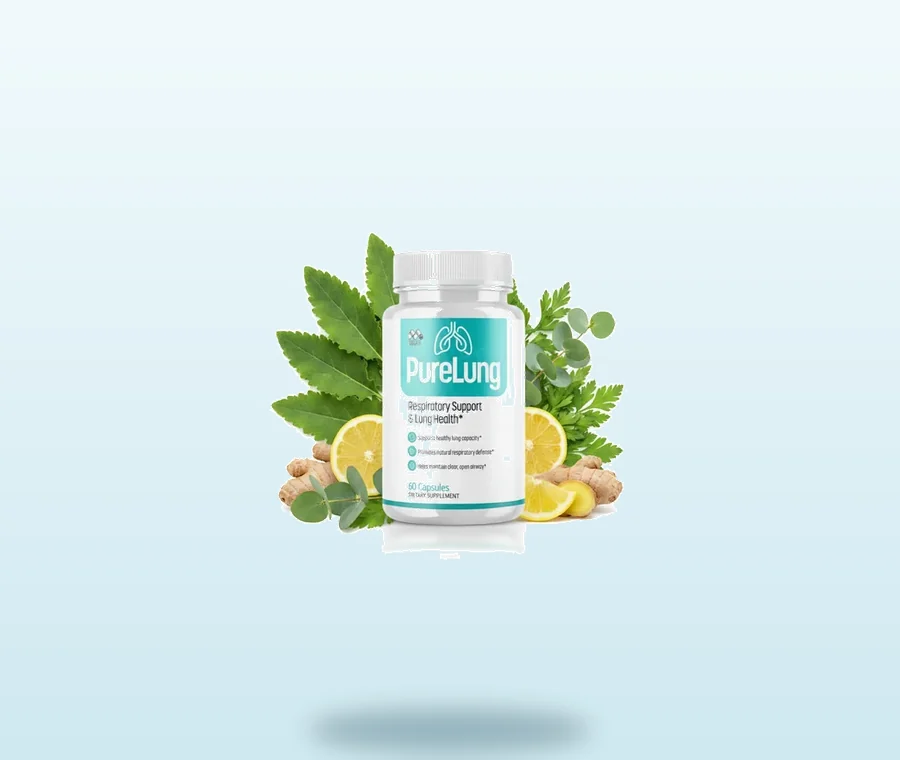
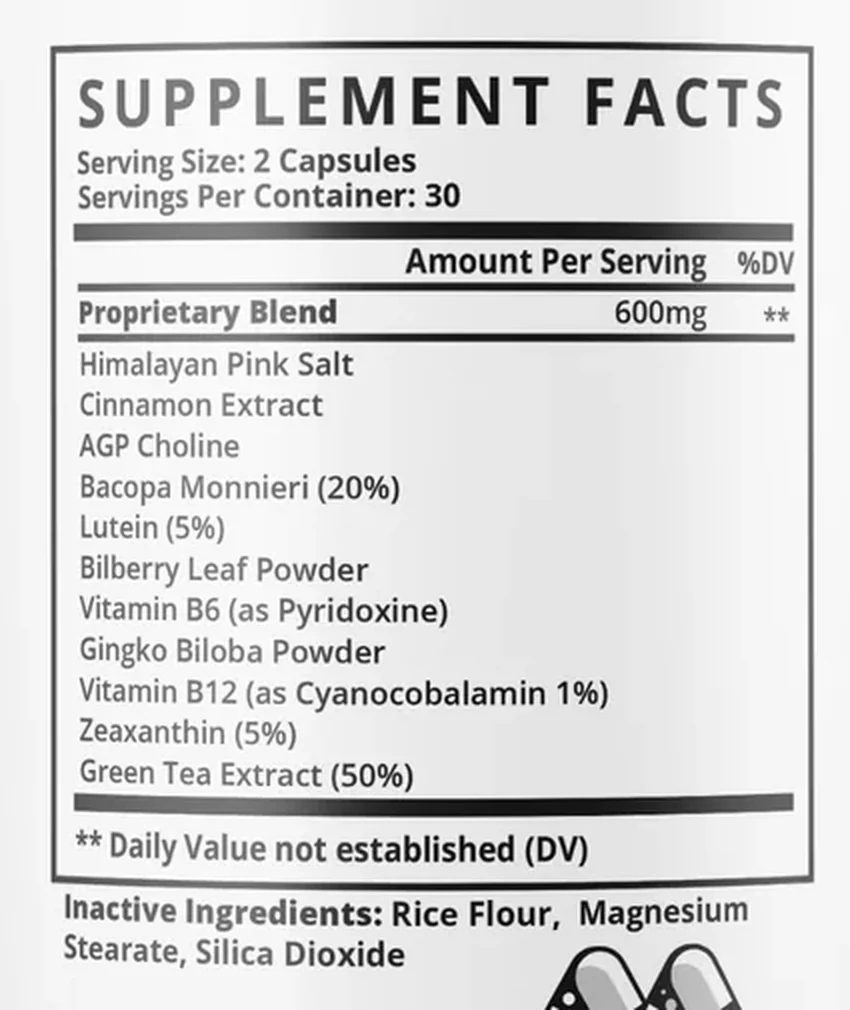
A formula only helps if you can see what is in it. PureLung transcribes every ingredient in its blend on the main page, in descending order, so you can check which of these nutrients are present and roughly how much before you buy.
See the Current PureLung OfferVitamin A: needed, but handle with care
This is the one vitamin on the list with a documented harm signal in smokers: supplement-dose beta-carotene raised lung cancer incidence in two large randomised trials (ATBC trial, New England Journal of Medicine, 1994; CARET trial, New England Journal of Medicine, 1996).
Vitamin A earns a place on this list because airway lining cells genuinely need it — it is part of maintaining healthy epithelial tissue. But it comes with the biggest asterisk in the category. At ordinary food amounts from eggs, dairy and orange and leafy vegetables, it is simply part of a good diet. At high supplemental doses, and specifically as beta-carotene in people who smoke, it carries a real safety caution rather than a benefit. Two large trials found more lung cancer among smokers taking high-dose beta-carotene, which is the opposite of what was hoped. We treat that finding as important enough to have its own article on why high-dose beta-carotene warrants caution for smokers.
The practical takeaway: get vitamin A from food, be wary of high-dose A and beta-carotene pills generally, and avoid them entirely if you smoke or recently quit. This is the clearest example of why "more vitamins equals stronger lungs" is a myth — here, more of the wrong form, in the wrong person, points the wrong way.
Vitamins do not make weak lungs strong. They keep normal lungs supplied. The thing that actually builds respiratory strength is the least sellable of all: getting breathless on purpose, several times a week, for months.
Magnesium and the underrated mineral angle
Amounts, food sources and upper limits for this one are published by the NIH Office of Dietary Supplements, which is the reference worth checking before you add a separate mineral tablet on top of a blend.
Magnesium is not a vitamin, but it belongs in any honest list of nutrients for strong lungs because it has a bronchial smooth-muscle role and a small but real clinical literature around airway relaxation. Many adults fall short of the RDA, and the food sources — nuts, legumes, whole grains, leafy greens — overlap neatly with a generally lung-friendly diet. As with the vitamins, the benefit is about reaching adequacy, not stacking megadoses; very high magnesium from supplements mostly produces digestive complaints, not stronger breathing.
Notice the recurring shape across every entry: nutrients where the plausible mechanism is "fix a shortfall," and food sources that cluster around the same colourful, minimally processed diet. That is not a coincidence. It is the actual finding of decades of nutrition research on lungs, dressed down from the marketing version.
Where "lung capacity" claims go wrong
Type "vitamins to increase lung capacity" into a search bar and you will be sold a lot of confidence. Almost none of it survives contact with the evidence. In well-nourished adults, no vitamin has been shown to raise lung capacity. Capacity responds to two things reliably: aerobic training, which improves how efficiently your heart, lungs and muscles use oxygen, and not smoking, which prevents the accelerated decline smoke causes. Breathing exercises can improve technique and comfort, and rehabilitation helps where a clinician has indicated it, but a pill that "expands" healthy lungs does not exist.
This is the objection worth pre-empting for anyone shopping this category: if a product's headline is about capacity rather than nutritional support, it is overstating what any vitamin can do. The honest version — "supports normal respiratory function as part of a healthy lifestyle" — is less thrilling, which is precisely why the dishonest version sells. Judge the label, not the adjective.
How to build a sensible vitamin routine for your lungs
Put it together in the order the evidence supports. Start with food: a produce-rich diet covers vitamin C, vitamin E, magnesium and food-form vitamin A at the amounts that actually correlate with better lung function. Measure vitamin D and correct a confirmed shortfall — that is the one place a supplement most clearly earns its spot. Consider a modest combined formula if your diet is genuinely thin, but read the whole Supplement Facts panel and avoid stacking duplicates across a multivitamin, a greens powder and a lung blend. Then train, because the aerobic work is what turns "supported" lungs into stronger ones.
Give any routine a fair four-to-eight-week run before judging it, taken daily with food, and remember that the felt gains in breathing come mostly from the exercise, over one to three months, not from the tablets. A supplement that is honest about all of this is one you can actually trust; a supplement promising bigger lungs from a capsule has already told you how much to believe. Set your expectations to the evidence and both your lungs and your wallet come out ahead. For how vitamins sit alongside the botanical half of these formulas, our respiratory support supplement guide walks through the whole category rather than the vitamin shelf alone.
Related reading
Medical note: general information only, not medical advice, and not a substitute for talking to a clinician. Vitamins support normal function and are not intended to diagnose, treat, cure or prevent any disease. Ask a healthcare professional before high-dose vitamins, especially vitamin A, and get persistent breathlessness or cough properly assessed.
Scientific references
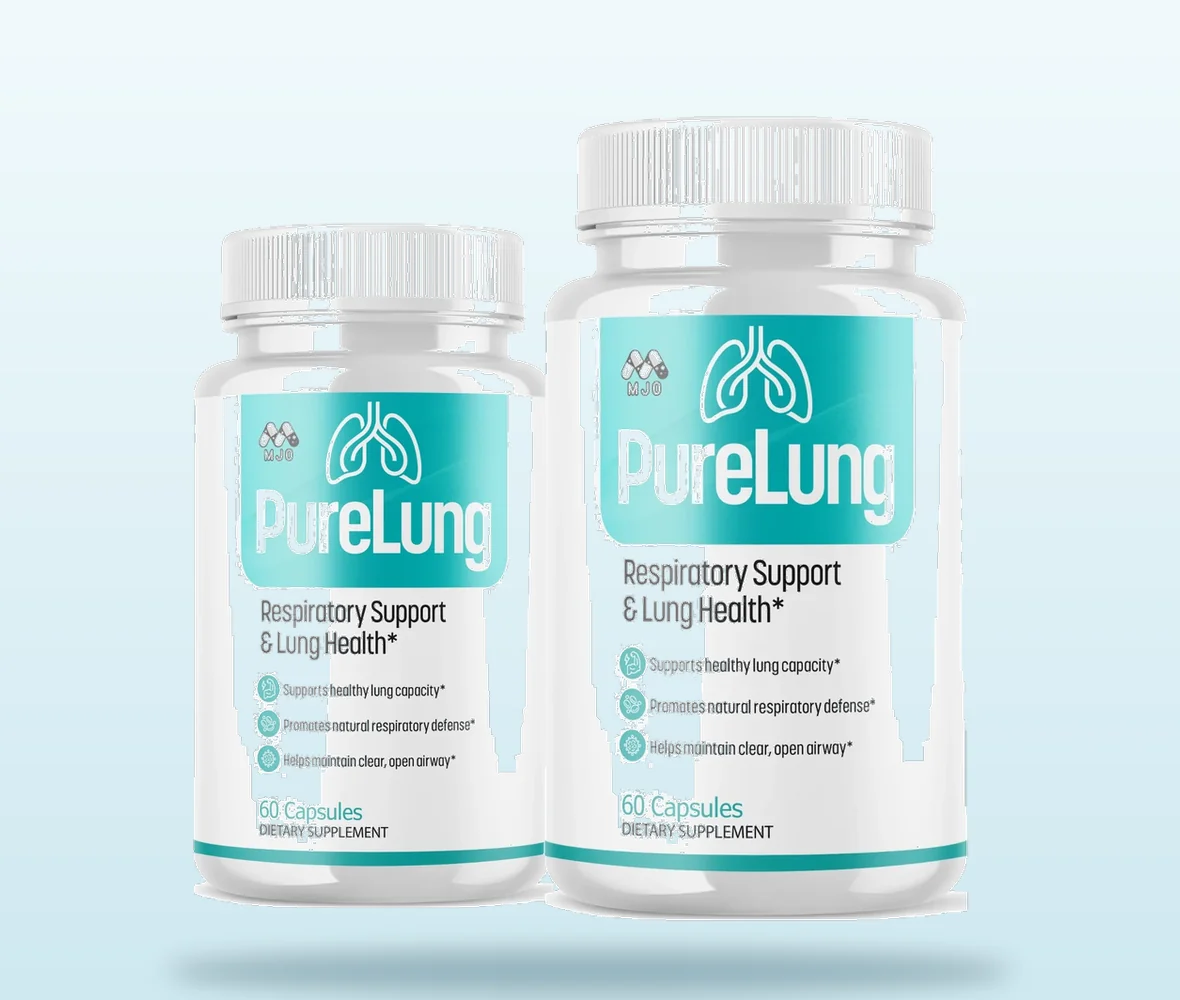
Check which lung-support vitamins PureLung actually includes
Eleven ingredients inside one 600 mg blend, transcribed in full on our main page — see the current PureLung price and offer at the official store, then match it against the shortlist above.
Check PureLung Availability