Herbal Lung Detox: What the Evidence Says Before You Try It
What Is an Herbal Lung Detox, and What Can It Really Do?
An herbal lung detox is a short course of botanicals — commonly mullein, thyme, oregano and ginger — taken to support normal respiratory comfort. It does not flush or physically clean your lungs; healthy lungs self-clear through cilia. Think of it as nutritional support over a roughly four-week trial, not a treatment or a cleanse.
- What it is not: a flush that empties toxins, tar or mucus on command.
- What it may offer: throat and airway comfort, plus botanical antioxidants.
- Skip it if: you are allergic to any listed herb, pregnant, or on interacting medication — ask a pharmacist first.
Type "herbal lung detox" into any search bar and you will meet two extremes within the first page of results. One promises to strip years of tar and pollution out of your chest in a weekend. The other tells you the whole idea is nonsense and you are wasting your money. Both are selling you something — a miracle or a smug dismissal — and neither is quite right. The honest version sits in between, and it is more useful than either headline.
An herbal lung detox is best understood as respiratory support, not a drain-cleaning for your airways. The herbs most formulas lean on — mullein, thyme, oregano, ginger — have centuries of traditional use for coughs and breathing comfort, and some carry a plausible antioxidant rationale. What they do not do is reach into your lungs and physically wash anything out. Once you accept that reframe, you can shop for one of these products calmly, judge it on the right criteria, and avoid the pages that overpromise.
What an herbal lung detox actually means
The word "detox" is doing a lot of heavy lifting on these labels, and most of it is marketing. In a clinical sense, detoxification is something your liver and kidneys handle continuously; it is not a service you buy in capsule form. When a supplement borrows the word, it is trading on a feeling — the satisfying idea of purging something bad — rather than a measurable process.
That does not make the products worthless. It means the interesting question changes. Instead of asking "will this flush my lungs," which has a clear answer (no), you ask "do these herbs, at the amounts on this label, do anything worth the money for how I actually feel." That is a fairer, more answerable question, and it is the one this article is built around.
It also helps to separate three claims that marketing tends to blur together. Cleaning — removing particles and mucus — is a job your body already does and no oral herb has been shown to speed up. Comfort — a soothed throat, easier-feeling breathing, less irritation — is subjective but real, and it is where herbs have their best case. Repair — rebuilding damaged tissue — is off the table entirely for any supplement. Most of the disappointment people feel comes from buying a comfort product while expecting a cleaning or a repair.
How your lungs really clean themselves
Here is the part the cleanse pages skip, because it undercuts the pitch. Your lungs are not a storage tank slowly filling with grime. They are a self-clearing system, and the mechanism has a name: the mucociliary escalator.
The airways are lined with a thin layer of mucus that traps dust, smoke particles, pollen and microbes as you breathe them in. Beneath that mucus sit millions of microscopic hairs called cilia, which beat in coordinated waves — roughly a dozen times a second — to sweep the whole mucus layer steadily up and out of the lungs toward the throat, where you swallow or cough it away without noticing. Deeper in the lungs, immune cells called macrophages patrol the air sacs and engulf anything that gets past the mucus. This runs day and night, for free, whether or not you take a supplement.
Understanding this changes how you read a "detox." No swallowed herb travels to your lungs and scrubs them; that is not how the anatomy works. What can genuinely help this system are dull, unglamorous things: staying well hydrated so mucus stays thin and mobile, breathing cleaner air, and above all not smoking, which paralyses and eventually destroys cilia. We walk through why no capsule reverses that kind of structural damage in our fact-check of lung rejuvenation and tissue-repair claims, and the conclusion there is the same one that matters here: support the system you have, do not expect to buy a new one. The one indirect route with a genuine research literature behind it is immune rather than mechanical, and even there the pooled effect is small and strain-specific (Cochrane review, 2022) — which is what the gut-lung axis and respiratory probiotics are actually about.
The herbs you will see most often
Before the list, one framing point worth keeping: for most of these botanicals the honest summary from NCCIH is that traditional use is not the same as tested effect, and that safety and interaction data are often thinner than the marketing implies.
Strip away the branding and most herbal lung detox products draw from the same short shelf of botanicals. Knowing what each one is traditionally used for — and how thin or thick the evidence is — lets you read a label in about a minute.
| Herb | Traditional respiratory use | Honest evidence status |
|---|---|---|
| Mullein | Soothing coughs; "demulcent" for irritated airways | Long folk record; little modern human trial data for lung outcomes |
| Thyme | Cough and bronchial comfort; a common cough-syrup flavour | Some support for cough symptoms, mostly in combination products |
| Oregano | Antioxidant and antimicrobial folk uses | Rich in antioxidants in the lab; respiratory human data is limited |
| Ginger | Warming, anti-nausea, general anti-inflammatory tradition | Reasonable anti-inflammatory rationale; not a proven lung therapy |
| Marshmallow root | Coating and soothing a scratchy throat | Plausible demulcent effect on the throat, not the deep lung |
Two honest caveats travel with this table. First, "traditional use" is a reason to investigate, not a result — it tells you people have used a plant for a long time, not that a controlled trial found it works. Second, most of these herbs act on the throat and upper airway, which you can feel, rather than deep lung tissue, which you cannot. That is fine as long as you buy them for the comfort they can plausibly give, not the cleanse they cannot.
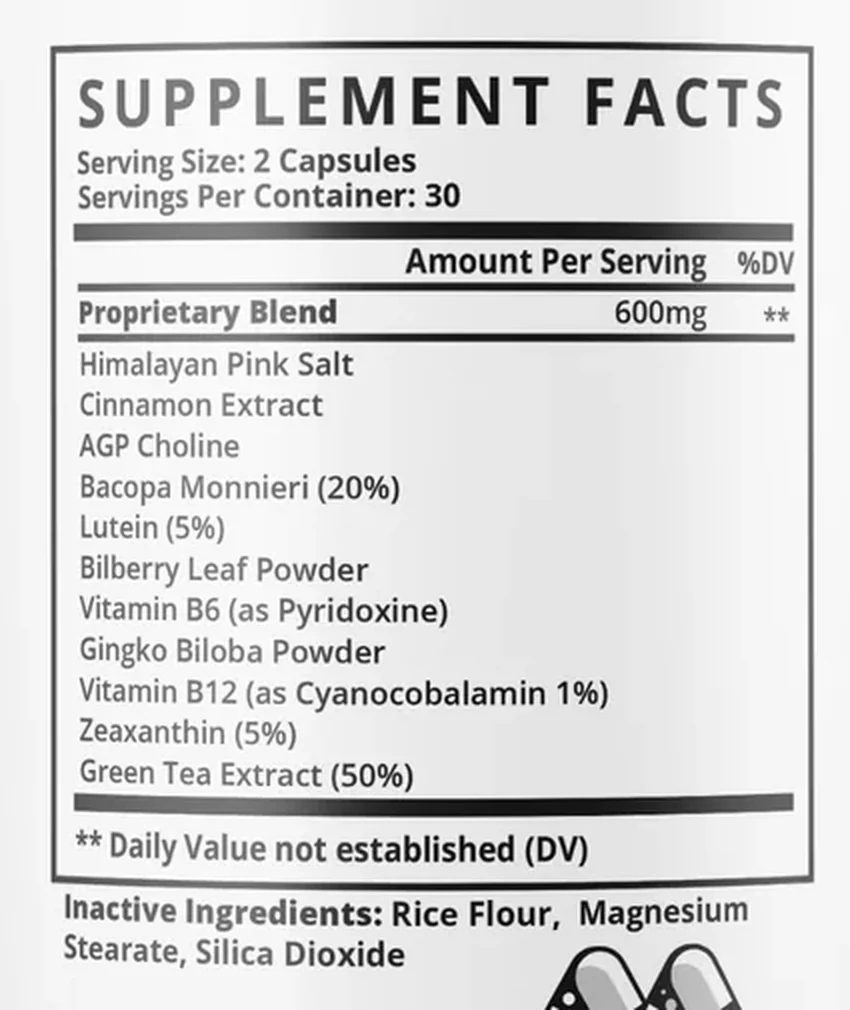
There is also an arithmetic problem specific to blends. When a formula lists eight or eleven botanicals inside one fixed blend weight, each herb necessarily gets a small share of that total, and a label with a single blend number never tells you which share. We worked through exactly what a modest total split across many names can and cannot deliver in our breakdown of a 600 mg blend spread across eleven ingredients. It is worth reading before you assume a long herb list means a strong dose of any single herb.
Judge a detox blend by its panel, not its promises
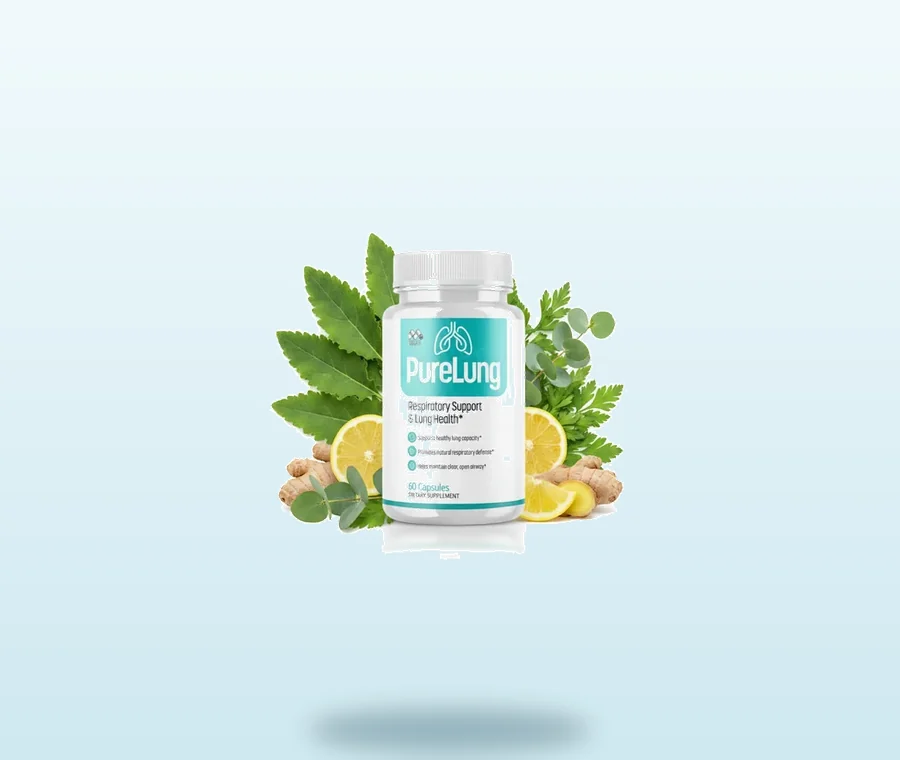
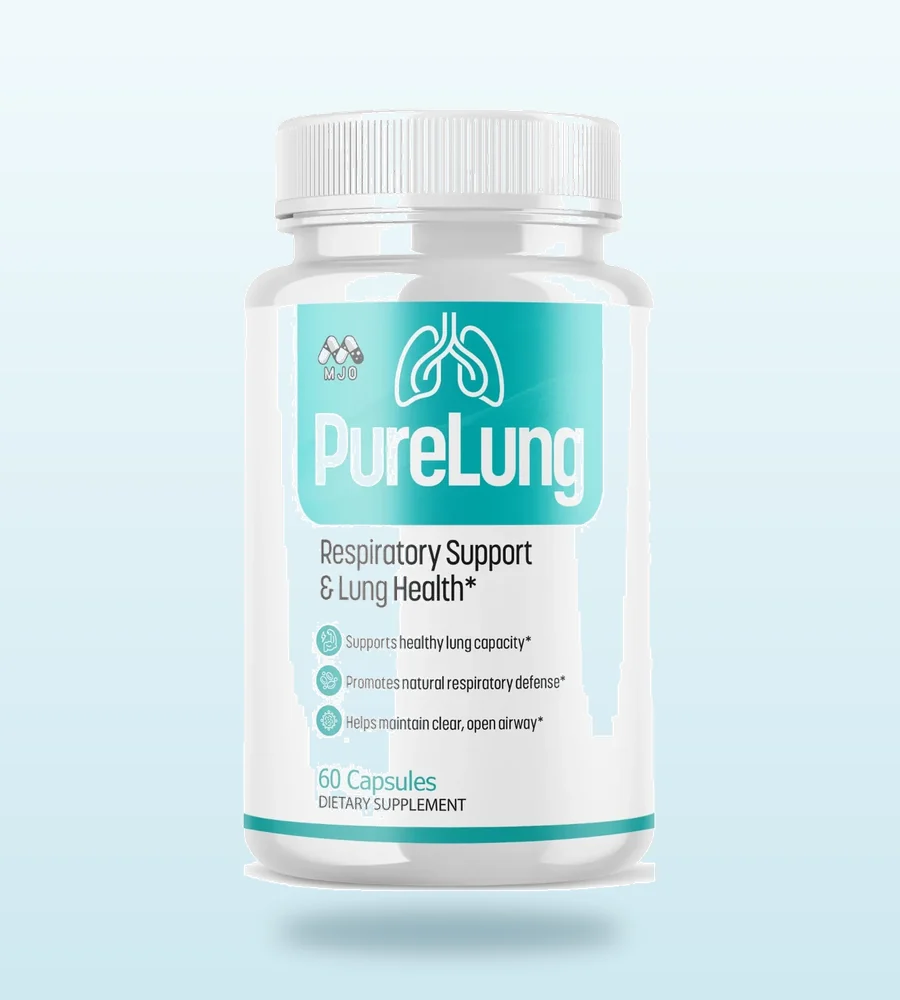
If you want to compare a real herbal respiratory formula against the checklist above, start with the ingredient panel and the blend total rather than the cleanse language on the banner. We transcribed PureLung's full eleven-ingredient blend so you can see exactly what is inside before you decide.
See the Current PureLung OfferThree myths about lung detoxes, examined
Most of the confusion in this category comes down to three sticky beliefs. Clearing them up makes every product page easier to read.
Myth one: a detox flushes tar out of your lungs. It does not, and nothing swallowed does. Tar deposits from smoke are cleared, slowly and partially, by the cilia and immune cells described above — and only once the exposure stops. A capsule cannot accelerate that, and any page showing a bottle "pulling" black gunk out of a chest is selling an image, not a mechanism.
Myth two: more herbs on the label means a stronger product. Usually the opposite. A short list at disclosed doses tells you more than a sprawling list hidden inside one blend total. A long ingredient panel is often a design decision about how impressive the label looks, not evidence of a broad effect.
Myth three: "natural" means "no downside." Herbs are chemistry too. Liquorice can raise blood pressure with heavy use, some botanicals interact with blood thinners, and concentrated oils like oregano can irritate the gut. Natural is a description of origin, not a guarantee of safety, which is why the "who should skip it" section below matters as much as the ingredient list.
How long does an herbal lung detox take?
Almost every product in this space is sold as a four-week trial, and that framing is worth taking seriously rather than treating as a coincidence. Botanicals that act on comfort tend to build gradually with daily, consistent use rather than delivering a jolt on day one. If a formula is going to change how your throat or breathing feels, most people notice it inside that first bottle.
That cuts both ways, and it is the most useful buying discipline you can adopt. Give a product a fair, consistent run — taken daily, with food and water, as directed — and then judge it honestly at the end. If a full four weeks leaves you feeling no different, that is not a failure of patience; it is data. It is a reason to stop rather than to reorder on the assumption that month two will finally deliver. The businesses behind these products rely on autopilot subscriptions; your best defence is to decide at the end of each bottle whether it earned the next one.
A few practical notes make the trial cleaner. Take the capsules at a consistent time so you do not miss doses. Pair the course with the free habits that actually help clearance — more water, steam from a hot shower or a bowl, and avoiding smoke — so that anything you feel is the fair combined result of what you can control. And keep a one-line note each week; memory is a poor judge of gradual change, and a short log tells you more at day 28 than a vague impression will.
Who should skip an herbal lung detox
The single most important rule is the simplest: if you are allergic to any herb on the label, skip that product entirely. Botanicals in the daisy and mint families in particular trip cross-reactions in people with pollen allergies, and a "lung" product that triggers an allergic response is working against you.
Beyond allergies, a few groups should check with a clinician or pharmacist before starting. People who are pregnant or breastfeeding should treat concentrated herbal blends with caution, because many have simply never been studied for safety in that setting. Anyone on prescription medication — especially blood thinners, blood-pressure drugs or medicines with a narrow safe range — should have a pharmacist check for interactions, since herbs like liquorice, ginger and green tea can all nudge how certain drugs behave. And most importantly, an herbal detox is not a treatment for any respiratory condition. If you have asthma, COPD, a persistent cough, or unexplained breathlessness, those need proper medical assessment, not a cleanse. A supplement should sit alongside that care, never replace it.
None of this is a reason to be afraid of botanicals. It is a reason to treat them like the active ingredients they are, match them to your own situation, and buy the ones that fit rather than the ones with the loudest banner.
Habits that do the real cleaning
One nutrient is worth singling out because it has been tested properly rather than assumed: correcting a genuine vitamin D shortfall modestly reduced acute respiratory infections in an individual-participant meta-analysis, BMJ, 2017, while supplementing people who were already replete did not.
If your genuine goal is lungs that feel and work better, the highest-value moves cost little or nothing, and no supplement outranks them. Not smoking — and avoiding second-hand smoke — is first by a wide margin, because it is the one change that lets cilia recover and protects the tissue you have. Staying well hydrated keeps airway mucus thin enough for the cilia to move it. Regular aerobic movement makes the whole breathing system more efficient even when lung mechanics themselves do not change. Better indoor air — ventilation, avoiding smoke and solid-fuel fumes, filtering where outdoor air is poor — lowers the daily irritant load your airways have to clear. And a diet rich in colourful fruit and vegetables supplies the antioxidants that the deep-diving herbal marketing only gestures at.
Set against that list, an herbal lung detox is a small optimisation at the margin — which can still be worth it if you enjoy the ritual, want the botanical antioxidants, or feel a real difference in throat comfort. Buy it for what it is. If you have compared options on the criteria above and want to see current terms, the official store is the only place to confirm what is in stock and what the return window is.
Medical note: general information only, not medical advice. If you have asthma, COPD, a persistent cough, unexplained breathlessness or any diagnosed lung condition, manage it with a clinician. Do not stop or replace prescribed treatment with a supplement, and check with a pharmacist before adding one alongside medication.
Scientific references
Related reading

Read the blend before you buy the detox
Eleven botanicals, one 600 mg blend total, transcribed in full — then check current availability and terms at the official store.
Check PureLung Availability