Natural Supplements for Lung Health, Graded by Evidence by Evidence
Quick Answer: Which Natural Lung Supplements Are Worth It?
Among natural supplements for lung health, N-acetylcysteine, vitamin D for deficiency and vitamin C for smokers have the firmest evidence; quercetin, omega-3 and mullein are more traditional or preliminary. None rebuilds lung tissue. A produce-rich diet does more than any single pill, so treat supplements as a top-up, not a foundation.
- Strongest file: NAC at gram doses, vitamin D if low, vitamin C for smokers.
- Weaker/traditional: mullein, quercetin, omega-3 — promising, not proven.
- Do first: eat the plants, then consider stacking.
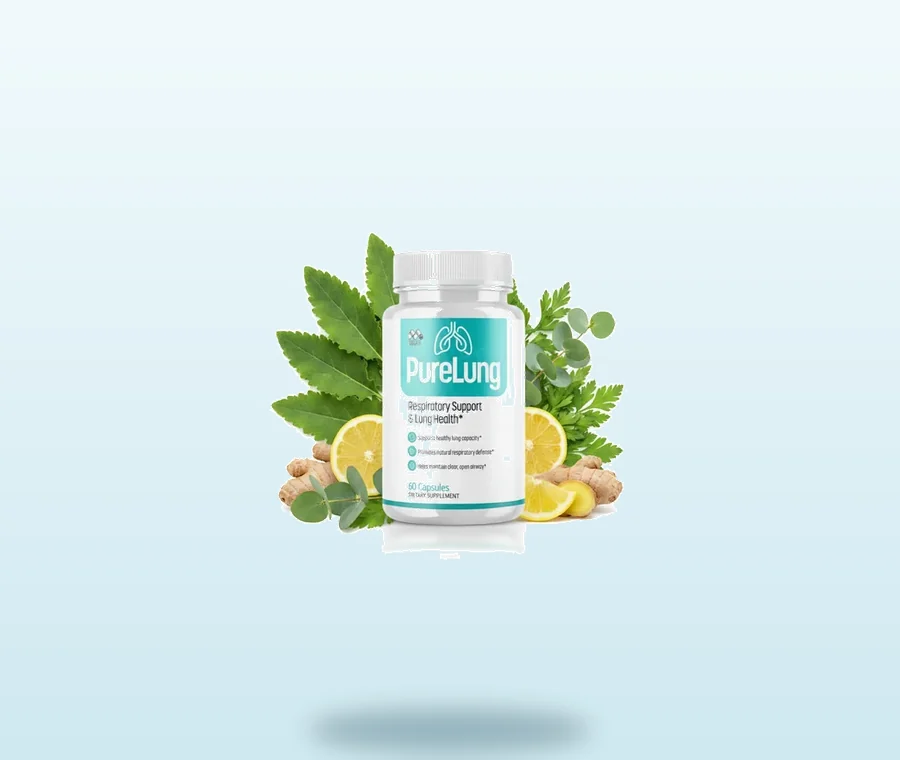
Search for natural supplements for lung health and you will drown in confident promises: herbs that "cleanse" the airways, blends that "rebuild" tissue, capsules that "detox" a lifetime of exposure. Very little of that language survives contact with the actual research. This guide takes the most commonly recommended natural options — mullein, N-acetylcysteine, quercetin, vitamin D, vitamin C and omega-3 — and grades each one by how much evidence really stands behind it, so you can spend your money where the science is strongest and skip the parts that are pure marketing.
The theme running through everything below is honesty about magnitude. The best natural supplements for lung health can plug a nutrient gap, add antioxidants, or soothe an irritated airway at the margins. None of them reverses damage or replaces medical care, and the difference between "supports normal function" and "fixes your lungs" is the difference between a useful product and a false promise.
How we grade the evidence
To keep this fair, each ingredient gets a simple label. Moderate means there is human clinical evidence, even if it is mixed or dose-dependent. Preliminary means the mechanism is plausible and there is some human or strong lab data, but the respiratory case is not settled. Traditional means long historical use with thin controlled-trial support for measured lung outcomes. No ingredient in this category earns a "strong" grade for rebuilding lungs, because none deserves it.
| Ingredient | Evidence grade | What it realistically does |
|---|---|---|
| N-acetylcysteine (NAC) | Moderate | Mucolytic at gram-level daily doses in chronic bronchitis; thins mucus |
| Vitamin D | Moderate (if deficient) | Correcting low status is linked to fewer respiratory infections |
| Vitamin C | Moderate (for smokers) | Depleted faster by smoke; repletion sensible, megadosing not |
| Quercetin | Preliminary | Antioxidant/anti-inflammatory flavonoid; mostly lab and small trials |
| Omega-3 (EPA/DHA) | Preliminary | Anti-inflammatory rationale; respiratory endpoints inconsistent |
| Mullein | Traditional | Historic soothing/expectorant use; minimal controlled human data |
The ingredients with a real, if modest, file
N-acetylcysteine is the closest thing to an evidence-backed natural respiratory ingredient. It is a cysteine donor and a mucolytic, studied over long periods in chronic bronchitis at doses of roughly 600 mg to 1,200 mg per day (Cochrane review of mucolytic agents, 2019; PANTHEON trial, Lancet Respiratory Medicine, 2014). The important caveat is dose: those gram-level amounts are far larger than any multi-ingredient blend can physically hold, so seeing "NAC" in a long ingredient list does not mean you are getting a studied dose of it.
Vitamin D matters mostly through deficiency. Low vitamin D status is associated with more frequent respiratory infections and poorer airway outcomes, and correcting a genuine shortfall is a real, testable goal (individual-participant meta-analysis, BMJ, 2017). Supplementing on top of adequacy is where trials stop showing much, so this is one to test with a blood level rather than take on faith.
Vitamin C is depleted faster in people exposed to cigarette smoke, which is why recommended intakes are higher for smokers. Repletion is sensible and cheap. The old hope that megadosing vitamin C delivers big respiratory benefits has not held up, so aim for adequacy, not heroics.
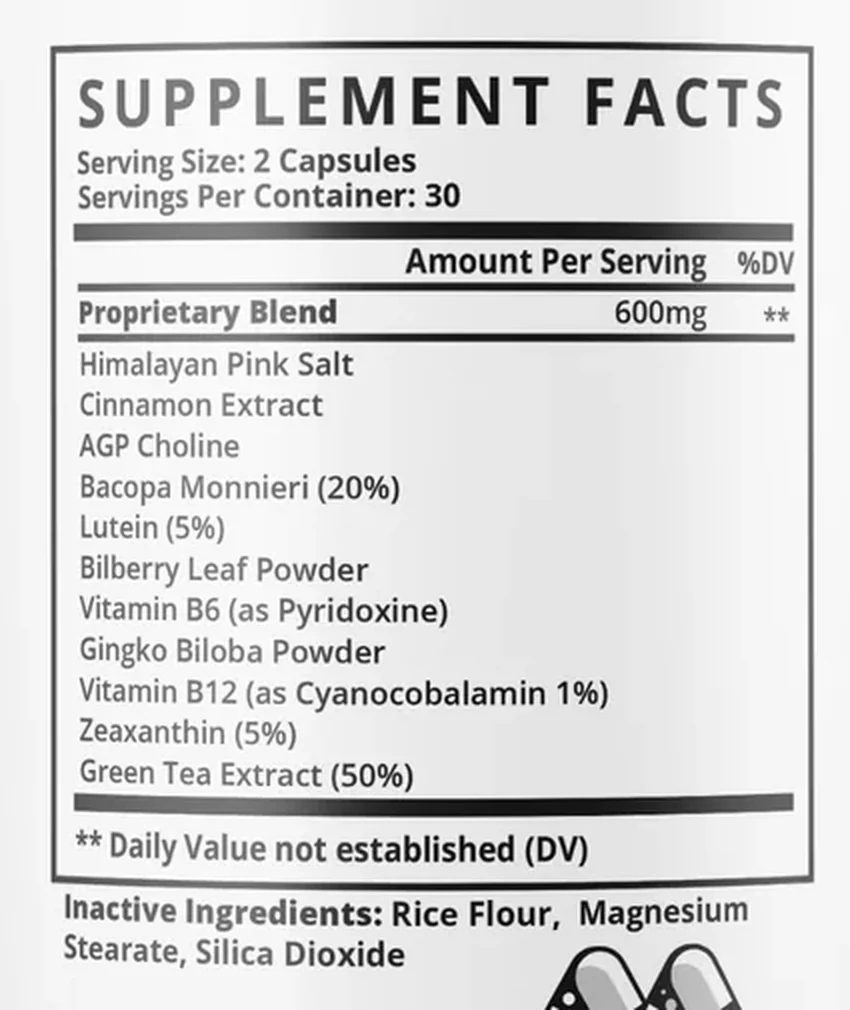
Compare on the panel, not the promise
The only honest way to judge a natural lung formula is to read its ingredients and amounts. We transcribed PureLung's full eleven-ingredient blend — check it, then see current pricing and terms.
See the Current PureLung OfferThe promising-but-preliminary group
Quercetin is a plant flavonoid with a coherent antioxidant and anti-inflammatory rationale, and it turns up in many "lung" formulas for that reason. Most of the supportive data is from laboratory and animal work or small human studies; the respiratory case in healthy people is not settled. It is a reasonable antioxidant to like, not a proven lung treatment.
Omega-3 fatty acids (EPA and DHA from fish or algae) have a genuine anti-inflammatory mechanism, and inflammation matters in airway biology. But trials aiming at specific respiratory endpoints have been inconsistent, and omega-3's clearest benefits lie elsewhere in the body. Worth taking for overall health; not a lung-specific fix.
The traditional group
Mullein leads a family of herbs — alongside marshmallow root, thyme, elecampane and licorice — with long records of traditional respiratory use as soothing agents or expectorants. Traditional use is a reason to investigate, not a result. Controlled human evidence for measured lung outcomes is minimal, and the effect, where present, is comfort rather than cure. There is nothing wrong with valuing that soothing role, as long as you do not mistake it for a mechanism that changes lung function.
A related trick worth naming is borrowed association — ingredients that read as "healthy" or "cleansing" and fill a panel without much respiratory logic. We took apart one classic example in our look at what pink salt is actually doing in a supplement, and the same skepticism belongs on any long, adjective-heavy label.
Safety: "natural" is not the same as "safe"
The clearest illustration is beta-carotene, a plant pigment: given at supplement doses to smokers it raised lung cancer incidence in two large randomised trials (ATBC trial, New England Journal of Medicine, 1994; CARET trial, New England Journal of Medicine, 1996).
The most dangerous assumption in this category is that natural equals harmless. It does not, and a few specifics deserve to be flagged directly.
- High-dose beta-carotene is unsafe for smokers. Two large trials linked it to worse outcomes in that group — a case study in why "antioxidant" is not automatically good. We covered it in detail in our note on why smokers should be cautious with beta-carotene.
- Licorice can raise blood pressure and deplete potassium with regular use, which matters if you have hypertension or heart concerns.
- NAC, quercetin and omega-3 can affect bleeding and interact with medication, so they warrant a pharmacist check if you take blood thinners or other prescriptions.
- Pregnancy and nursing change the calculus for most botanicals — when in doubt, leave them out unless a clinician approves.
Food first, then supplements
Before you stack a single pill, spend the effort where the evidence is most consistent: your plate. Observational research repeatedly links diets rich in fruit and vegetables to better measured lung function. That data measures diets, not capsules, and people who eat a lot of produce differ in many other ways — but the signal is durable enough that food-first is the right default. Colourful vegetables and fruit supply the same families of antioxidants and flavonoids that supplements isolate, inside a food matrix your body handles well. Oily fish delivers omega-3; sensible sun exposure and fortified foods cover a lot of vitamin D. If you want a structured plan for eating your way there, our guide to the realistic benefits of a daily lung support supplement sets expectations for what a top-up adds on top of a good diet.
Only after the diet is handled does stacking supplements make sense — and then the goal is to fill specific, identified gaps rather than to buy the longest ingredient list. If you are trying to choose between products, our walkthrough on how to choose a lung supplement without getting fooled and our rundown of the key vitamins for strong lungs will save you from the two most common buying mistakes. If the product you are weighing is sold as a cleanse rather than a top-up, read what an herbal lung detox can honestly claim first, because that category makes the largest promises on the thinnest evidence.
Where a blend like PureLung fits
PureLung is a mainstream example of the multi-ingredient approach: a once-daily, 60-capsule blend of eleven botanicals and nutrients built on a single 600 mg proprietary total. That structure has a real trade-off — you get breadth, but no per-ingredient amounts, which means you cannot confirm whether any single component reaches a studied dose. That is not unique to PureLung; it is how most of the category is built, and it is exactly why label-reading skills matter more than brand loyalty. If you want the antioxidant-and-botanical breadth in one convenient daily capsule and you have set honest expectations, it is a reasonable pick. If your priority is a studied dose of one specific compound like NAC, a single-ingredient product will serve you better. Buy for the job you actually want done, and remember the marketing rules we unpack in our fact-check of lung rejuvenation claims.
Medical note: general information only, not medical advice. If you have asthma, COPD, a persistent cough, unexplained breathlessness or any diagnosed lung condition, manage it with a clinician. Do not stop or replace prescribed treatment with a supplement, and check with a pharmacist before adding one alongside medication.
Related reading
Scientific references
- NIH NCCIH — Dietary and herbal supplements
- Poole P et al. — Mucolytic agents versus placebo for chronic bronchitis or chronic obstructive pulmonary disease. Cochrane Database of Systematic Reviews, 2019 (PMID 31107966)
- NIH Office of Dietary Supplements — Vitamin C fact sheet
- Harvard T.H. Chan School of Public Health — Vegetables and fruits
- Mayo Clinic — Nutrition and healthy eating basics
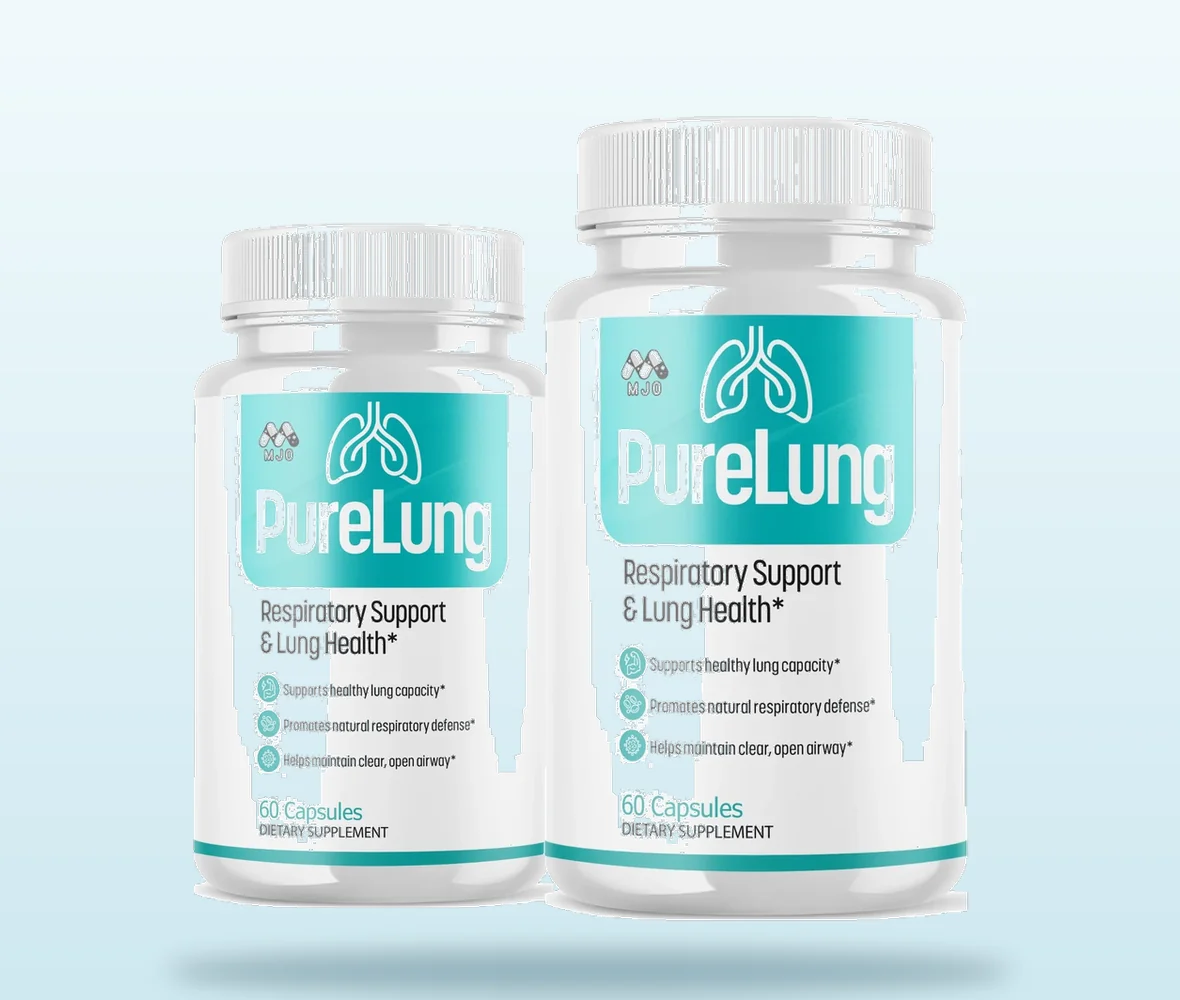
Pick the formula that matches your goal
Eleven botanicals and nutrients in one daily capsule, transcribed in full — read the panel, then check current availability and terms at the official store.
Check PureLung Availability