Lung Support Supplement: The Real, Everyday Benefits
Quick Answer: What Does a Lung Support Supplement Actually Do?
A lung support supplement supplies nutrients respiratory tissue uses every day — NAC linked to normal mucus comfort, antioxidants that help defend cells under load, and vitamin D for normal immune function. It supports maintenance in the background; it does not detox, clean or repair the lungs, and it is not a treatment for any condition. Expect gradual, supportive benefits, not a cure.
- Realistic wins: easier mucus comfort, antioxidant support, steadier immune backing.
- Timeline: judge it over four or more consecutive weeks, not a few days.
- Best paired with: exercise, clean indoor air and a produce-rich diet.
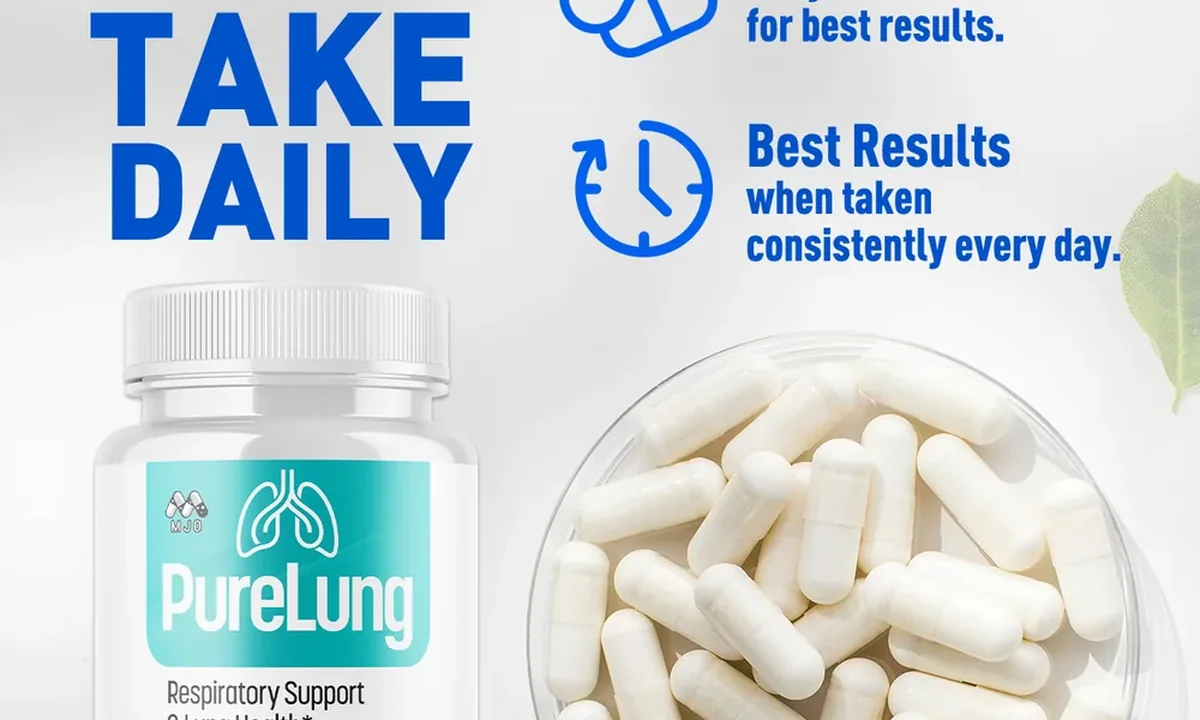
What a lung support supplement is really for
Search the phrase and the results promise a lot: detox, cleanse, rejuvenate, restore. Reality is quieter and, honestly, more useful to know. A lung support supplement is a nutrient product. Its job is to make sure the raw materials your respiratory system uses — antioxidants, certain amino-acid derivatives, a handful of vitamins and minerals — are present in adequate amounts, so normal maintenance processes are not held back by a shortfall you did not know you had. That is the whole honest premise. It is not glamorous, but it is defensible, and it is the version we would rather sell than one we would have to walk back.
Your lungs already have their own housekeeping. The mucociliary escalator moves particles up and out. Immune cells patrol the airways. Antioxidant systems neutralise the steady drizzle of free radicals that comes with breathing 20,000-odd times a day in an oxygen-rich tissue. None of that runs on a supplement. What a supplement can do is top up the inputs those systems draw on, in the same way a multivitamin supports general health without being responsible for it. Frame the benefits that way and everything below lands correctly: real, worth having, but supportive rather than curative.
Benefit one: mucus comfort, and where NAC fits
The single most-studied ingredient in this category is N-acetylcysteine, usually shortened to NAC (Cochrane review of mucolytic agents, 2019; PANTHEON trial, Lancet Respiratory Medicine, 2014). It is a precursor to glutathione, one of the body's central antioxidants, and it has a long history of use as a mucolytic — a compound associated with thinner, easier-to-clear mucus. When people describe a lung formula "helping them breathe a little easier," NAC is often the ingredient doing the plausible work, because looser mucus is simply more comfortable to clear.
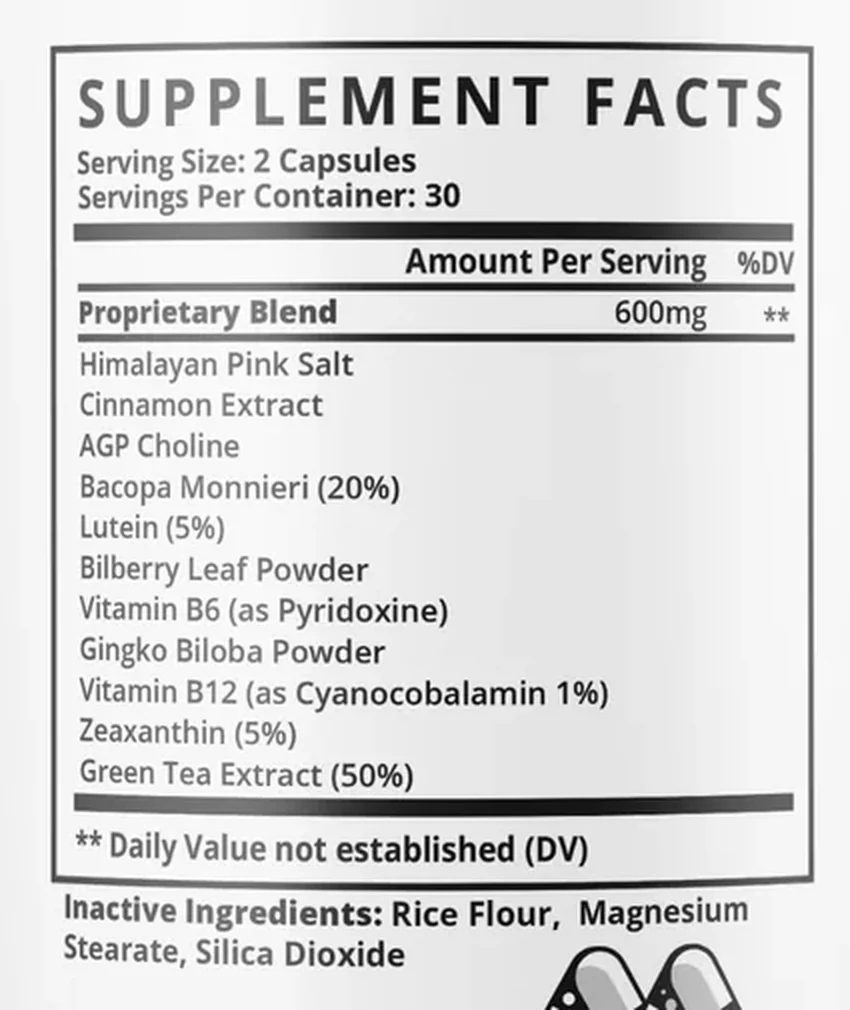
Two caveats keep this honest. First, the mucolytic research that impresses most uses gram-level daily doses that a compact multi-ingredient blend cannot physically hold; a small amount inside a shared blend total is a supportive gesture, not a clinical dose. Second, "mucus comfort" is a structure-function idea, not a promise to treat congestion or any respiratory disease. Read a label for how much NAC is actually present and where it sits in the ingredient order before you assume it is the star of the show — we walked through exactly that arithmetic in what a 600 mg blend split across eleven ingredients actually buys you.
Benefit two: antioxidant defense for tissue under constant load
Read this section against the sober summary from NCCIH: antioxidant supplements have repeatedly failed to reproduce the benefits seen in antioxidant-rich diets, and in smokers one of them made outcomes worse.
The lung is the body's most oxygen-exposed surface, which makes it a natural target for oxidative stress. Every breath of city air, wildfire haze, kitchen smoke or workplace dust adds to the load, and the tissue leans on antioxidant defences to keep pace. This is the most coherent rationale in the whole category: nutrients such as vitamin C, vitamin E, selenium and polyphenols support the antioxidant systems that airway cells already run.
Be precise about the claim, though. "Supports antioxidant defense" is honest. "Removes toxins" or "cleans your lungs" is not — the lung clears particles mechanically and immunologically, not because a capsule scrubbed it. What antioxidant nutrients plausibly do is help the existing defence keep up, particularly if your diet is thin on colourful produce. If you already eat a rainbow of vegetables and fruit daily, the marginal benefit of adding more antioxidants in a pill is smaller; if you do not, topping up a genuine shortfall is where supplements earn their keep.
Benefit three: immune and airway backing from vitamin D
This is the one benefit in the category with a large, pooled human dataset behind it: correcting a genuine shortfall modestly reduced acute respiratory infections in an individual-participant meta-analysis, BMJ, 2017, while topping up people who were already replete did not.
Vitamin D is the quiet workhorse of respiratory nutrition. It is involved in normal immune function, and low vitamin D status is common — especially in people who work indoors, live at higher latitudes, or cover up in the sun. Unlike most ingredients in a lung formula, this one is easy to measure with a simple blood test, which means you can replace guesswork with a number. That single fact makes it one of the more rational reasons to consider a lung support supplement: you may be correcting an actual, measurable shortfall rather than adding a nutrient you already have plenty of.
The honest framing is "supports normal immune function," not "prevents infection." Correcting a deficiency helps your immune system work the way it is supposed to; it does not armour-plate you against every seasonal bug. If you suspect your level is low, ask for the test. A confirmed shortfall, corrected, is one of the few places in this whole field where the cause-and-effect story is clean.
See exactly what you would be supporting
Benefits only mean something once you can see the amounts. PureLung's blend is transcribed ingredient by ingredient on our main page, in descending order, so you can judge the dose before you judge the promise. That is the honest way to shop this category.
See the Current PureLung OfferThe honest timeline: why four weeks is the real test
The most common reason people conclude "supplements do nothing" is that they judged the verdict in three days. Nutrient-based support does not switch on like a painkiller. It builds. Antioxidant status, vitamin D repletion and the general sense of a routine settling in all take time, which is why the fair trial for a lung support supplement is at least four consecutive weeks of daily use, taken with food. Four weeks is roughly the window where adequacy builds and where you can compare how you feel against your ordinary baseline rather than against a single good or bad day.
Consistency matters more than dose-chasing. Two capsules taken every day for a month will tell you far more than a fistful taken sporadically. And build in an off-ramp: if nothing has shifted after two honest months — taken daily, alongside sensible habits — it is completely fair to decide it is not for you. A product worth buying should survive that test, and one that cannot is not worth renewing. Setting the expectation up front is not a weakness in the pitch; it is the reason you will still trust the pitch in week five.
Three objections worth answering honestly
"Supplements are just expensive pee." Partly fair, and partly a myth. For a nutrient you already have in abundance, extra intake is largely excreted, and you gained little. For a nutrient you are genuinely short on — vitamin D being the classic case — repletion is exactly the point, and the body holds and uses it. The lesson is not "supplements are useless"; it is "match the supplement to a shortfall you actually have," which is why measuring where you can beats guessing.
"If it worked, my doctor would prescribe it." Different job. Supplements support normal structure and function; they are not medicines and cannot legally claim to treat disease, so they sit outside the prescribing conversation by design. That boundary is a feature, not an indictment. The right question is not "why isn't this prescribed" but "does the label contain sensible ingredients at amounts that plausibly do what it says," which you can check yourself.
"A pill can undo my bad air or my smoking." This is the myth worth killing outright. No supplement reverses lung damage, removes tar, or offsets ongoing smoke exposure — and honestly, the ingredient a smoker most needs to scrutinise is not one to add but one to avoid, which we cover in our note on why high-dose beta-carotene deserves caution for smokers. A lung support supplement is background maintenance on top of the things that actually move the needle, never a substitute for them.
The most valuable thing a lung support supplement can do is quietly top up the inputs your lungs already use. The moment a product promises more than that — detox, cleanse, reversal — it has left the evidence behind and started selling a feeling.
How to get the most from a daily lung support routine
If you decide a lung support supplement belongs in your routine, a few habits turn it from a hopeful purchase into a fair experiment. Take it with food, since several of the useful nutrients are fat-soluble and absorb better alongside a meal. Anchor it to something you already do daily — breakfast, brushing your teeth — because the benefit depends entirely on consistency, and a bottle in the cupboard helps no one. Do not stack duplicates: a multivitamin, a greens powder and a lung formula can quietly repeat the same ingredients, so read all your labels together rather than one at a time.
Then, crucially, put the supplement in its proper place in the hierarchy. The interventions with the largest, best-documented effects on how your lungs feel and function are not in a bottle: not smoking, regular aerobic activity that gets you breathing harder, decent indoor air quality, and prompt medical attention for any persistent cough, breathlessness or chest symptom. A supplement supports the edges of that picture. Treated as the whole picture, it will always disappoint; treated as sensible background nutrition, it can be a reasonable, honest part of looking after yourself. Most of that background nutrition is cheaper on a plate than in a bottle, which is the argument our guide to eating for your lungs before supplementing them sets out in full.
That is the entire, unembellished case for this category. The benefits are real but modest, they accrue over weeks, and they are worth the most to people who pair them with the basics and read the label before the sales page. If a product cannot survive being described that plainly, it was never worth your money in the first place.
Related reading
Medical note: general information only, not medical advice, and not a substitute for talking to a clinician. A lung support supplement is not intended to diagnose, treat, cure or prevent any disease. New or worsening cough, breathlessness, chest pain or blood in sputum needs medical assessment, not a supplement.
Scientific references
- NIH Office of Dietary Supplements — Vitamin D and immune function
- Poole P et al. — Mucolytic agents versus placebo for chronic bronchitis or chronic obstructive pulmonary disease. Cochrane Database of Systematic Reviews, 2019 (PMID 31107966)
- NIH NCCIH — Antioxidants in depth
- Harvard T.H. Chan School of Public Health — The Nutrition Source: Vitamins
- Mayo Clinic — Nutrition and healthy eating basics
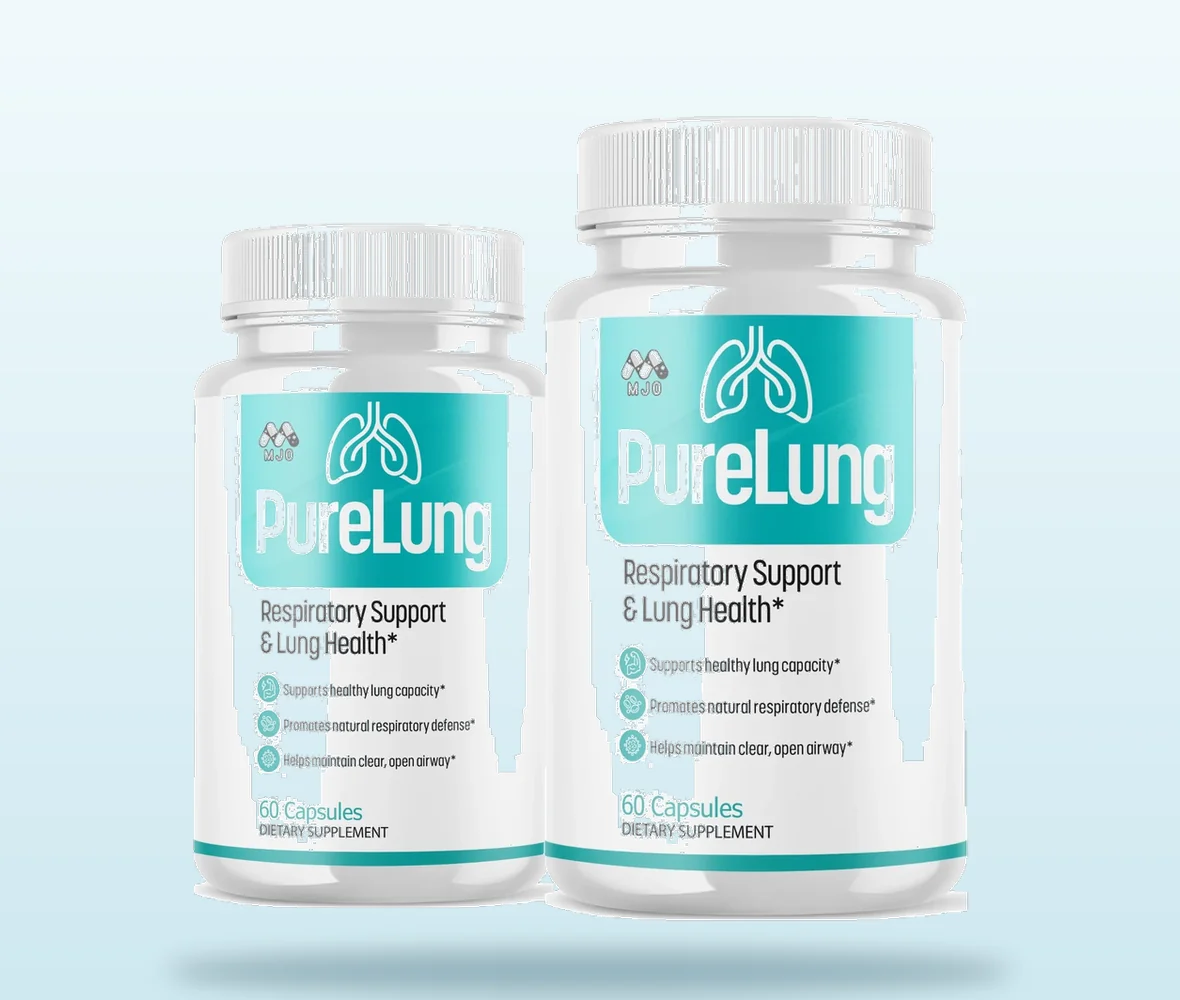
Ready to give a lung support routine a fair four-week run?
Eleven ingredients inside one 600 mg blend, transcribed in full on our main page — check the current PureLung price and offer at the official store, then judge it over a month like any honest experiment.
Check PureLung Availability