Food Supplement for Lungs: A Food-First Practical Guide
What Is the Best Food Supplement for Lungs?
The best food supplement for lungs is a produce-rich diet first: leafy greens, berries, omega-3 fish and cruciferous vegetables supply the antioxidants airway tissue uses. A capsule earns its place only to fill a genuine gap you cannot close with food. Diet supports lung function modestly; it does not rebuild damaged lungs.
- Food first: greens, berries, oily fish and cruciferous veg do the work.
- Supplement the gaps: low vitamin D, little fish, a diet you know falls short.
- Stay realistic: diet helps at the margins; it cannot reverse damage.
There is a quiet truth the supplement aisle would rather you not dwell on: for most people, the most effective "food supplement for lungs" is the food itself. Decades of nutrition research point the same way — people who eat plenty of colourful fruit and vegetables tend to have better measured lung function and slower age-related decline than people who do not (SAPALDIA cohort, Respiration, 2018), and raising produce intake has been tested directly in an airway population (randomised trial, Clinical & Experimental Allergy, 2021). That does not make capsules pointless, but it does flip the usual order. Get the diet right first, then use a supplement to fill the specific gaps your plate leaves behind.
This guide takes that food-first, supplement-the-gaps approach seriously. We will look at the foods with the strongest link to lung health, why their antioxidants matter to airway tissue, when a capsule genuinely earns its place, and where diet's power ends. The goal is a plan you can act on this week, not another list of miracle promises.
Food first: why nutrition beats a capsule for lungs
Whole foods deliver nutrients in packages that isolated supplements struggle to copy. A handful of berries is not just vitamin C; it is a matrix of hundreds of polyphenols, fibre and water that appear to work together. This "food synergy" is one reason observational studies keep finding benefits from produce-rich diets that single-nutrient pills rarely reproduce in trials. When researchers pull one antioxidant out of the fruit and test it alone at high doses, the magic usually does not travel — sometimes, as with high-dose beta-carotene in smokers, it even backfires (ATBC trial, New England Journal of Medicine, 1994).
The practical upshot is liberating rather than restrictive. You do not need an exotic protocol. Oily fish is the one place a capsule genuinely competes with a plate, and the NIH Office of Dietary Supplements sets out what the omega-3 evidence does and does not cover. A plate built around vegetables, fruit, oily fish, whole grains, nuts and olive oil — the familiar Mediterranean pattern — covers almost everything a "lung" supplement tries to bottle, and it does so with better evidence behind it. Supplements enter the picture as a targeted top-up, which is a much smaller and more honest job than the one their marketing usually claims.
The foods that support your lungs
Certain foods show up again and again in the research on diet and respiratory health. None is a cure or a treatment; together they build the antioxidant-rich pattern that matters.
| Food group | Key nutrients | Why it helps the lungs |
|---|---|---|
| Leafy greens (spinach, kale) | Folate, vitamin C, magnesium, carotenoids | Dense antioxidant load; magnesium has a role in bronchial muscle |
| Berries (blueberries, blackberries) | Anthocyanins, vitamin C | Polyphenols linked in studies to slower lung-function decline |
| Oily fish (salmon, sardines) | Omega-3 fatty acids EPA and DHA | Anti-inflammatory fats associated with airway health |
| Cruciferous veg (broccoli, kale) | Sulforaphane precursors, vitamin C | Sulforaphane supports the body's own antioxidant defences |
| Citrus & peppers | Vitamin C | Repletes a vitamin used up faster by smoke exposure |
Two of these deserve a closer look. Omega-3 fish supplies EPA and DHA, fats with a genuine anti-inflammatory rationale; if you rarely eat fish, this is one of the clearest cases for a supplement rather than a food. Cruciferous vegetables are more interesting than they look: broccoli, kale and their relatives contain compounds the body converts into sulforaphane, which nudges the cell's own antioxidant machinery rather than acting as an antioxidant directly. That indirect mechanism is part of why whole cruciferous veg tends to outperform isolated extracts. For a fuller map of which of these nutrients has a real file, our guide to natural supplements for lung health sorts evidence from tradition ingredient by ingredient.
How antioxidants actually help airway tissue
To see why diet matters here, it helps to know what your lungs are up against. Every breath exposes airway tissue to oxygen at high concentration, plus whatever pollutants, smoke or allergens ride in with it. That constant oxygen contact generates reactive molecules — free radicals — that can damage cells over time in a process called oxidative stress. The lung is, almost by definition, one of the most oxidatively stressed tissues in the body.
Dietary antioxidants — vitamin C, vitamin E, carotenoids, the polyphenols in berries and tea — are part of the counterweight. They help neutralise free radicals and support the tissue's own defence systems, which is the coherent, plausible mechanism behind the observed link between produce-rich diets and healthier lungs. This is also the rationale marketers reach for when they load a formula with botanical antioxidants; the mechanism is real, even where the specific product's evidence is thin. Understanding it lets you separate a reasonable ingredient rationale from an overblown promise — a distinction we apply to a specific case in our look at lutein and zeaxanthin in a respiratory formula.
Filling gaps a plate leaves behind
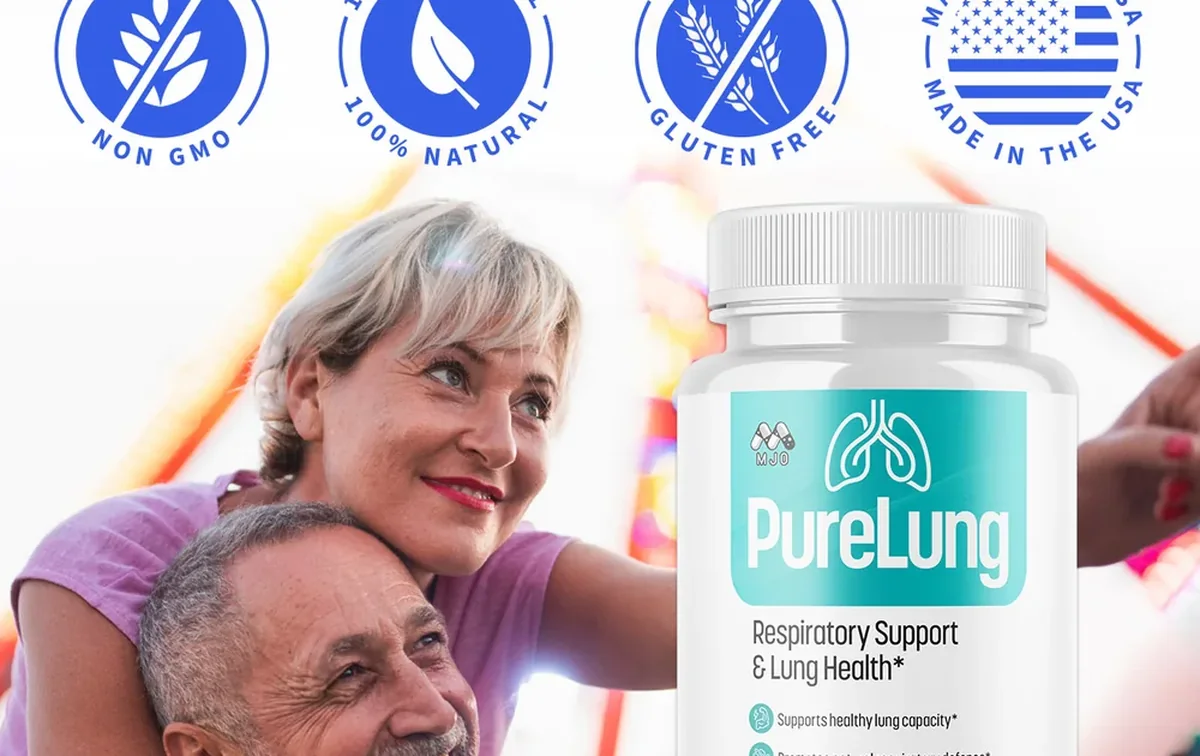
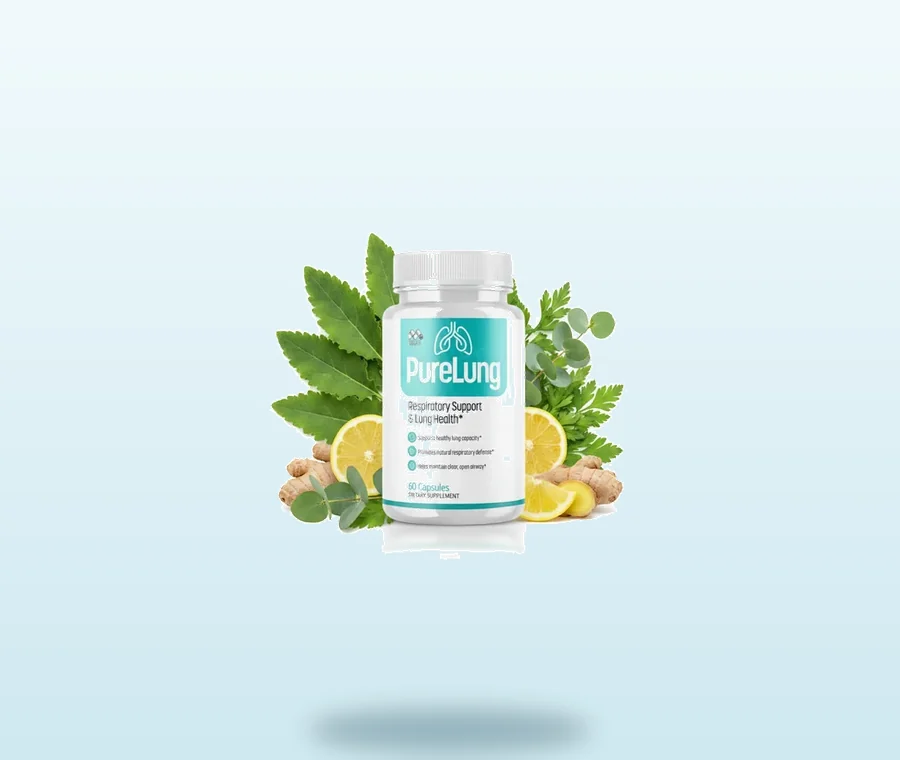
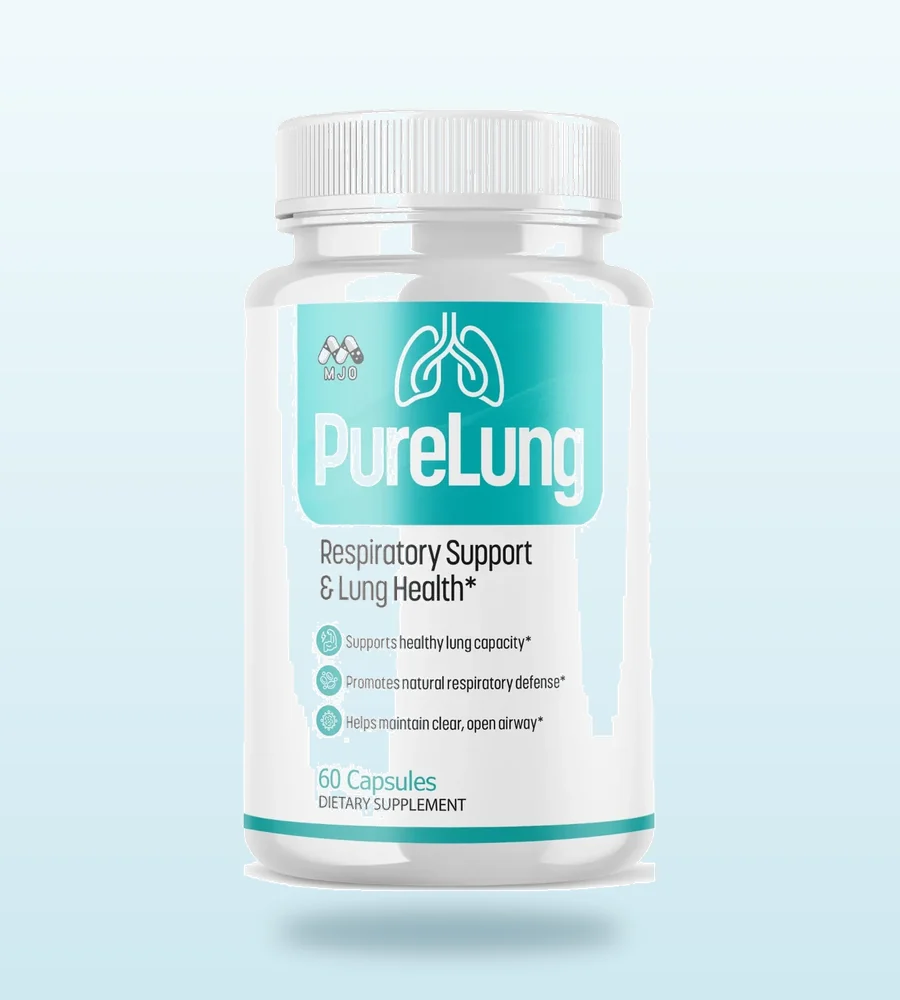
If your diet already covers the basics, a supplement is a top-up, not a foundation — so judge one on exactly what it adds. See how PureLung's eleven-ingredient blend lines up against the food-first checklist before you decide it earns a place in your routine.
See the Current PureLung OfferWhen a food supplement for lungs makes sense
If food is the foundation, when is a capsule actually worth buying? There are a few honest answers, and they all share the same shape: a supplement earns its place when it closes a real gap, not when it duplicates a diet you already eat.
You have a documented shortfall. Vitamin D is the standout example. Many people have low levels, especially in winter or with limited sun exposure, and low vitamin D status is linked to more respiratory infections. This is hard to fix with food alone, and correcting a genuine deficiency is a real, testable benefit. A blood test turns guesswork into a decision.
Your diet has a structural gap. If you never eat oily fish, an omega-3 supplement is a sensible substitute for the EPA and DHA you are missing. If your vegetable intake is genuinely low and hard to change, a broad antioxidant top-up is defensible while you work on the plate. The supplement is patching a known hole, not adding insurance on top of an already good diet.
You want the convenience of a combined formula. Some people simply prefer one capsule that gathers several respiratory-relevant nutrients and botanicals, and that is a legitimate preference — provided you judge the formula on disclosed doses and evidence rather than cleanse language. If that is you, our framework for choosing a lung supplement without falling for marketing is the checklist to run it through.
Being realistic: what diet can and cannot do
Honesty is what separates useful nutrition advice from wishful thinking, so here are the limits stated plainly. Diet works at the margins. A produce-rich pattern is associated with modestly better lung function and a somewhat slower rate of age-related decline — a meaningful edge over a lifetime, but a gentle one, not a transformation you feel next week.
Diet cannot reverse structural lung damage. If alveoli have been destroyed, as in emphysema, no food or supplement rebuilds them. It cannot cure or treat asthma, COPD or any respiratory disease, and it is not a substitute for prescribed treatment or an inhaler. And the research itself carries caveats: much of it is observational, meaning it measures diets, not capsules, and people who eat a lot of vegetables differ from those who do not in dozens of other ways — they tend to smoke less, move more and have more income — all of which independently affect the lungs.
Set against those limits, the highest-value moves are still the familiar ones: not smoking, regular activity, clean indoor air, and medical care for any persistent symptom. A good diet, and a well-chosen supplement on top of it, is a genuine supporting player in that line-up. It is not the star, and any product that claims otherwise is overselling.
Do you need a supplement if you eat well?
For a lot of people, the honest answer is no. If you already eat plenty of vegetables and fruit, include oily fish a couple of times a week, and get some sun, you are likely getting most of what a respiratory formula offers — from a better source, in better company, at lower cost. In that situation a supplement is optional insurance, and it is fine to skip it.
Where a supplement shifts from optional to sensible is the gap scenario above: a tested-low vitamin D, a diet without fish, a life stage or schedule that makes consistent produce hard, or a specific goal like topping up antioxidants during a period of heavy pollution exposure. The deciding question is not "is this ingredient good for lungs" — many are — but "am I actually short of it." Answer that first, and the buying decision usually answers itself.
A simple food-first, supplement-the-gaps plan
Turn all of this into something you can start today.
- Anchor every meal with plants. Aim for vegetables or fruit at each meal; make greens and berries regulars, not treats.
- Eat oily fish twice a week — or take an omega-3 supplement if you genuinely will not.
- Put cruciferous veg on the plate. Broccoli, kale and cabbage a few times a week for their sulforaphane precursors.
- Check the obvious gap. Ask about a vitamin D test, especially in winter, and supplement only if you are low.
- Add a formula only to fill a real hole — and if you do, judge it on disclosed doses and evidence, not cleanse language.
- Protect the basics. Don't smoke, stay hydrated, move regularly, and see a clinician about any lasting symptom. No plate outranks these.
Followed honestly, that plan puts the food supplement for lungs in its proper place: a small, optional top-up on a foundation of good eating and better habits. If, after all that, you decide a combined formula fits your gap, you can check current terms and what is inside on our main PureLung page and at the official store.
Medical note: general information only, not medical advice. If you have asthma, COPD, a persistent cough, unexplained breathlessness or any diagnosed lung condition, manage it with a clinician. Do not stop or replace prescribed treatment with a supplement, and check with a pharmacist before adding one alongside medication.
Scientific references
Related reading
Eat well first, then top up the gaps
If a combined formula fits a real gap in your diet, see PureLung's full eleven-ingredient blend and check current availability and terms at the official store.
Check PureLung Availability