Respiratory Support Supplement Guide: How They Work and What to Expect
Quick Answer: What Does a Respiratory Support Supplement Do?
A respiratory support supplement combines antioxidants, botanicals and immune-related vitamins to support normal breathing and airway defences — not to treat asthma, COPD or any disease. It supplies nutrients your airway lining uses and is most useful during seasonal and environmental stress, when combined with breathing exercises and better air quality.
- Core levers: antioxidants, respiratory botanicals, and immune vitamins C and D.
- Best used: daily and year round, leaning harder during pollen, smoke or dry-air seasons.
- Not a substitute for: inhalers, prescribed medicine, or quitting smoking.
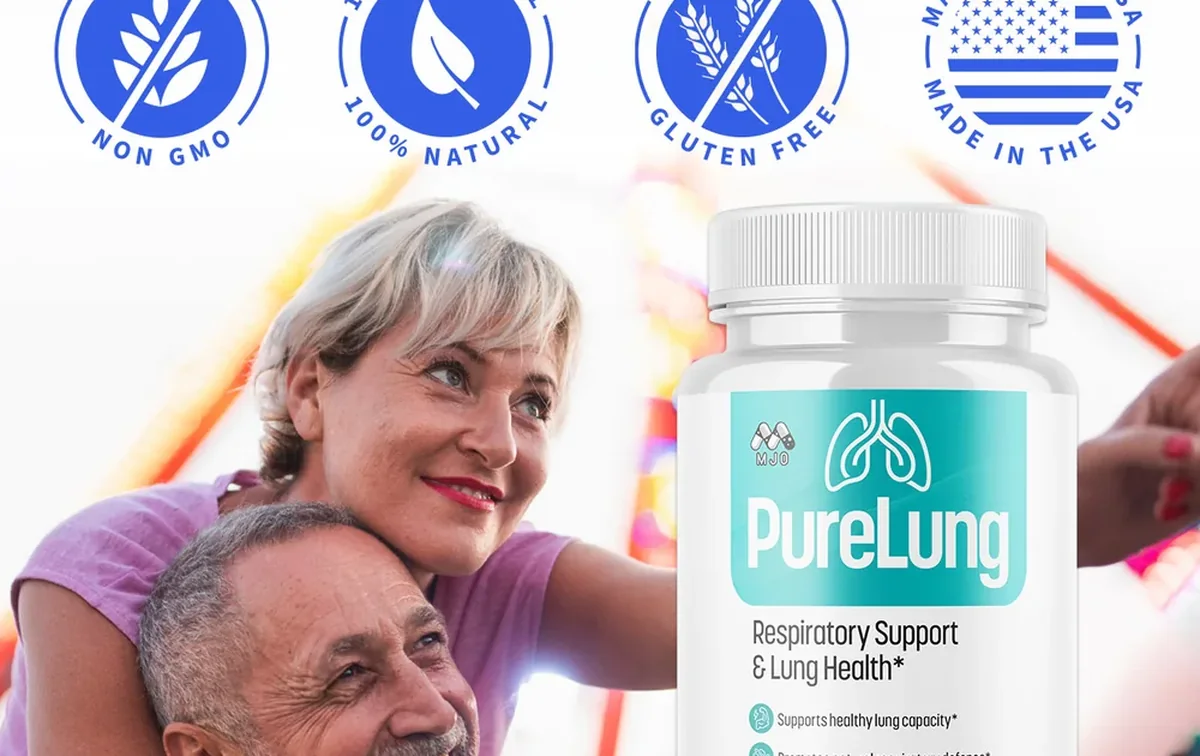
If you have ever stood in a supplement aisle in the middle of allergy season and wondered whether any of those bottles actually earn their place, this respiratory support supplement guide is written for you. The category is crowded, the marketing is loud, and the honest truth sits somewhere between "miracle lung cleanse" and "expensive placebo." Our goal here is not to sell you a fantasy. It is to explain, in plain language, how these products are built, what the ingredients realistically do, and how to set expectations that survive contact with a real winter, a real pollen count and a real smoky week.
The short version is this: a good respiratory support supplement is a nutrition-and-antioxidant product wearing sensible clothing. It cannot rebuild damaged lungs, and any label that hints otherwise is over-promising. What it can do is supply compounds your airways and immune system draw on, and give you a consistent daily habit to lean on when the air turns against you. PureLung sits in exactly this lane — a once-daily blend meant to complement healthy lungs, not rescue sick ones.
What counts as a respiratory support supplement
The phrase covers a surprisingly wide shelf. At one end you have single-ingredient products — a bottle of vitamin D, a jar of N-acetylcysteine, a quercetin capsule. At the other end you have multi-ingredient "lung formulas" that stack ten or more botanicals and nutrients into one capsule. Most products marketed with the words respiratory, lung or breathe are the second kind: a proprietary blend that tries to touch several mechanisms at once.
Legally, all of them are dietary supplements. That matters more than it sounds. Supplements are not reviewed by the FDA for effectiveness before sale — the NIH Office of Dietary Supplements spells out what that means for a shopper — and they are only permitted to make structure-function statements — "supports respiratory health," "helps maintain normal lung function" — never claims to treat, cure or prevent disease. When you learn to read a label through that lens, the marketing gets a lot easier to decode. A product that promises to "detox your lungs" or "reverse damage" is either bending the rules or hoping you will not notice the disclaimer at the bottom of the page.
PureLung is a 60-capsule product built on a single 600 mg proprietary blend of eleven ingredients. That structure — one blend total, many named components — is the industry norm, and it has real implications for how much of any single ingredient you are getting. We worked through that arithmetic in detail in our breakdown of what a 600 mg blend split eleven ways actually buys you, and it is worth reading before you compare any two products by price alone.
How a respiratory support supplement works
Set expectations from the best-pooled evidence in the category: correcting a genuine vitamin D shortfall modestly reduced acute respiratory infections in an individual-participant meta-analysis, BMJ, 2017, and that is about the size of effect a supplement in this space can honestly claim.
Under the marketing, almost every respiratory support supplement leans on three families of ingredient. Understanding these three is enough to evaluate ninety percent of the shelf.
1. Antioxidants. The airway lining lives in a high-oxidant environment. Every breath brings oxygen, pollutants, pollen and microbes into close contact with delicate tissue, and the body answers with a network of antioxidant defences. Worth reading alongside NCCIH, which notes that isolated antioxidant supplements have generally not reproduced the benefits seen in antioxidant-rich diets. Compounds like green-tea polyphenols, vitamin C, carotenoids and other plant flavonoids add to that antioxidant pool. The mechanism is reasonable and the biochemistry is real; the honest caveat is that human respiratory outcomes from antioxidant supplements are mostly observational rather than proven in large trials.
2. Botanicals. This is the traditional-use layer — mullein, thyme, marshmallow root, elecampane, licorice and similar herbs that appear across centuries of folk respiratory practice. Traditional use is a reason to be curious, not a substitute for evidence, and most of these herbs have thin controlled-trial data for measured lung outcomes. They earn their place mostly through soothing, expectorant or mild anti-inflammatory reputations rather than hard endpoints.
3. Immune vitamins. Vitamin D and vitamin C do the clearest work here, and the mechanism runs through the immune system rather than the lung directly. Low vitamin D status is associated with more frequent respiratory infections, and correcting a genuine shortfall is a real, testable goal. Vitamin C is depleted faster in people exposed to cigarette smoke. Neither is a shield, but both are legitimate nutritional support when your intake is low.
Put those three together and you have the logic of a respiratory support supplement: top up the antioxidant pool, add botanicals with a soothing reputation, and cover two immune-relevant vitamins. It is a sensible design. It is also, importantly, support — a nudge to normal function, not a repair kit.
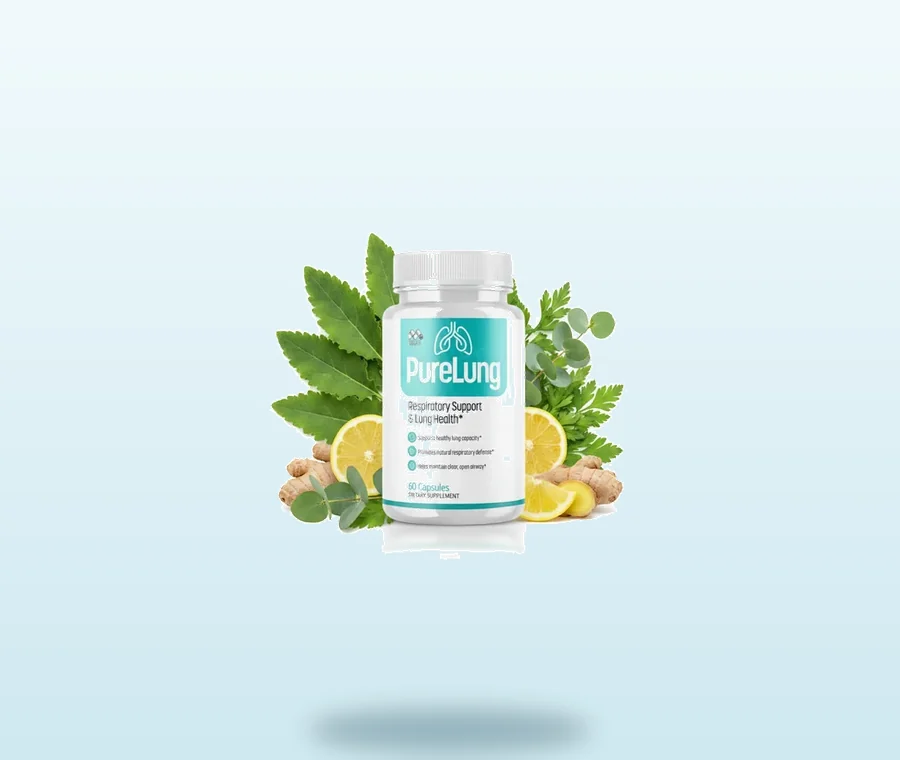
See exactly what is in the blend
The only honest way to judge a respiratory support supplement is to read its panel. We transcribed PureLung's full eleven-ingredient blend, then you can check current pricing and availability at the official store.
See the Current PureLung OfferSetting seasonal expectations
Here is where most buyers get disappointed, and it is entirely avoidable. A respiratory support supplement is not a switch you flip for an instant result. It is a daily nutrient habit, and its value shows up as a smoother ride through predictable stressors rather than a dramatic before-and-after.
Think in seasons. In spring, pollen counts climb and airways get twitchy; this is when antioxidant and immune support has the most obvious rationale, and when many people pair a supplement with an antihistamine. In summer, the wildcard is wildfire smoke and ozone — on bad-air days, the supplement matters far less than staying indoors with filtered air. In autumn, a second pollen wave and the start of cold-and-flu season put the immune vitamins to work. In winter, dry indoor heating irritates airways and respiratory viruses circulate, so consistency and humidity control both count.
The realistic expectation is not "my lungs will feel new." It is "I have a steady daily habit that supplies useful nutrients and antioxidants, and I will lean on it hardest during the weeks the environment is working against me." Give any respiratory support supplement several weeks of consistent daily use before you judge it, because nutrient effects accumulate slowly and are easy to miss day to day.
Three myths worth clearing up
Objections and misconceptions cluster around a few predictable ideas. Clearing them up will save you money and disappointment.
Myth 1: "It cleanses or detoxes my lungs." The lung already has a highly effective self-cleaning system — the mucociliary escalator sweeps particles up and out, and immune cells handle the rest. No oral supplement has been shown to accelerate that process, and the word "detox" on a lung label is marketing, not mechanism. If you smoke, the single most powerful "cleanse" is quitting, after which ciliary function recovers over months.
Myth 2: "If some is good, more is better." This one can actually backfire. High-dose beta-carotene, for example, was linked to worse outcomes in smokers in two large trials, which is why smokers in particular should read ingredient lists carefully — we covered the specifics in our note on beta-carotene and the smoker's lung. More is not automatically safer, and megadosing rarely delivers the benefits people imagine.
Myth 3: "A supplement can replace my inhaler or my medicine." It cannot, and no reputable product claims it can. If you have asthma, COPD or any diagnosed condition, a respiratory support supplement is at most a complement to medical care, taken with your clinician's knowledge. Swapping prescribed treatment for capsules is genuinely dangerous.
Building a routine that actually helps
A supplement is one lever among several, and it is not the biggest. If you want measurably better breathing a year from now, stack the habits in order of impact:
- Don't smoke, and reduce second-hand smoke. Nothing else on this list comes close.
- Control your air quality. Ventilate, filter indoor air on high-pollution or wildfire days, and manage humidity in dry winter months.
- Move regularly. Aerobic activity improves the efficiency of the whole breathing system, which is why supervised pulmonary rehab is standard care for chronic lung conditions.
- Practise breathing exercises. Simple techniques like paced diaphragmatic breathing and pursed-lip breathing are cheap, evidence-supported ways to use your existing capacity better.
- Add a respiratory support supplement. On top of the above, a daily blend like PureLung supplies antioxidants and immune vitamins and gives you a consistent anchor habit.
Notice the supplement is last, not because it is worthless, but because honesty about ranking is the whole point of a useful guide. If you want to compare where a botanical blend fits against single-nutrient options, our overview of natural supplements for lung health grades the common ingredients by evidence and safety.
Who should be cautious
Multi-ingredient botanical blends are not automatically safe for everyone. Pregnant and nursing women should avoid unfamiliar botanicals unless a clinician approves them. Anyone on prescription medication — especially blood thinners, blood-pressure drugs, or immune-modulating therapy — should have a pharmacist check for interactions, because herbs like licorice and high-dose antioxidants can interfere with real drugs. People with a diagnosed lung condition should treat any supplement as an add-on discussed with their care team, never a replacement. And if you smoke, screen the label for high-dose beta-carotene and retinol before you buy anything.
Where PureLung fits
PureLung is a straightforward example of the category done in the mainstream style: a once-daily, 60-capsule respiratory support supplement built on a single 600 mg blend of eleven botanicals and nutrients, sold with the standard structure-function positioning. It is designed to complement healthy lungs and a sensible routine, not to fix damage or replace medicine. If that matches what you actually want — a consistent daily antioxidant-and-botanical habit to lean on through the seasons — it is a reasonable pick. Read the panel, set seasonal expectations, and buy it for what it is.
Medical note: general information only, not medical advice. If you have asthma, COPD, a persistent cough, unexplained breathlessness or any diagnosed lung condition, manage it with a clinician. Do not stop or replace prescribed treatment with a supplement, and check with a pharmacist before adding one alongside medication.
Related reading
Scientific references
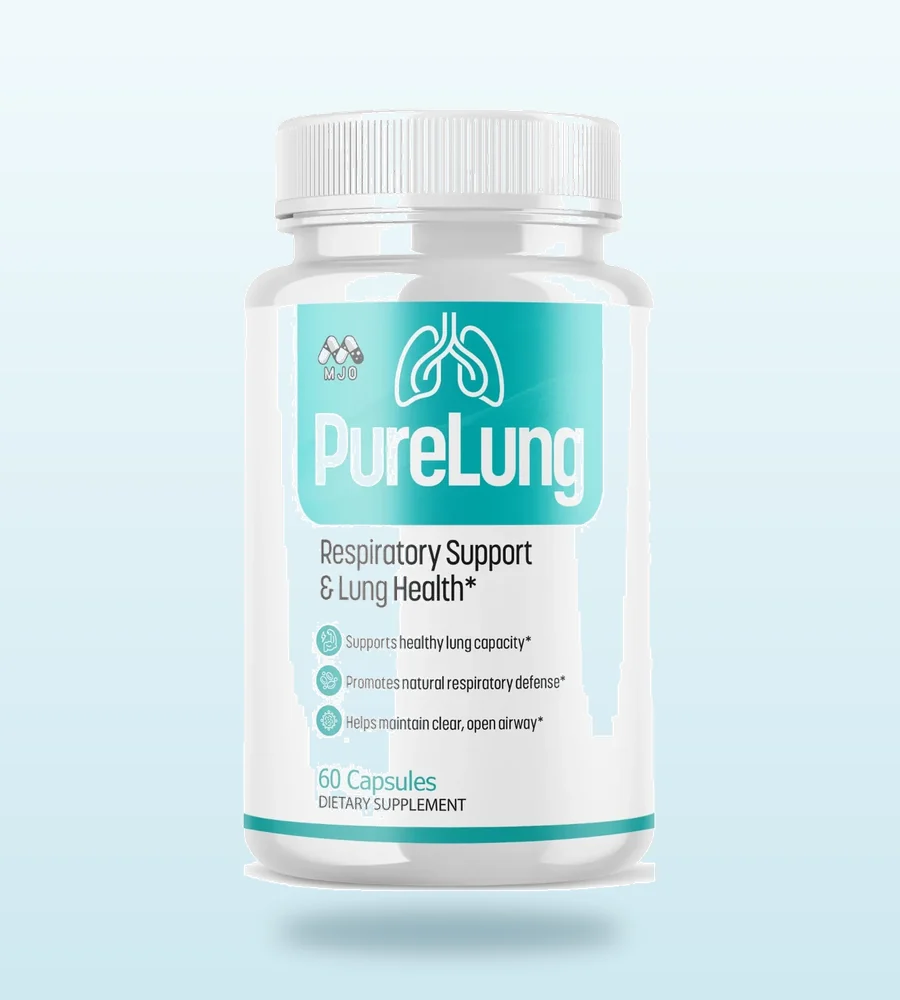
Start the daily habit this season
A once-daily blend of antioxidants, botanicals and immune vitamins to lean on through pollen, smoke and dry-air months — check current availability and terms at the official store.
Check PureLung Availability